





Tiger Woods’ Return: A Comeback Defined by Resilience, Reality, and Unfinished Ambition
A Career That Refuses a Quiet Ending
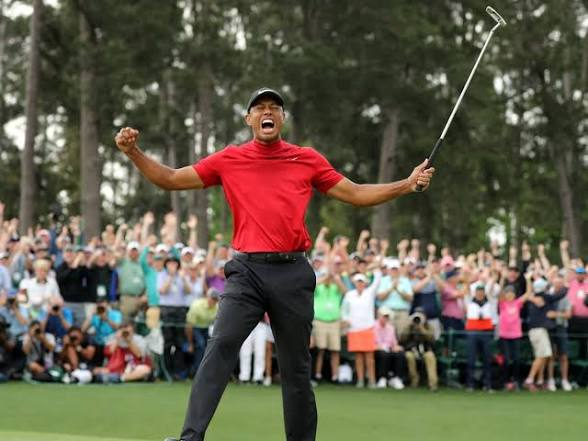
Few athletes have shaped their sport as profoundly as Tiger Woods. Over nearly three decades, Woods has transformed golf from a traditional pastime into a global spectacle, combining dominance, charisma, and commercial appeal.
- A Career That Refuses a Quiet Ending
- The Latest Chapter: Return Through TGL
- Inside the Match: Moments of Promise, Then Decline
- The Long Road Back: Injuries and Recovery
- The Masters Question: Possibility, Not Certainty
- A Different Kind of Competitor
- The Broader Impact: Why His Return Still Matters
- What Comes Next?
- Conclusion: Beyond Winning
Now, in 2026, the narrative has shifted. The conversation is no longer about records alone, but about endurance—physical, mental, and emotional. His latest return to competitive play, following another long absence, is less about reclaiming supremacy and more about confronting the limits of time and injury.
The Latest Chapter: Return Through TGL
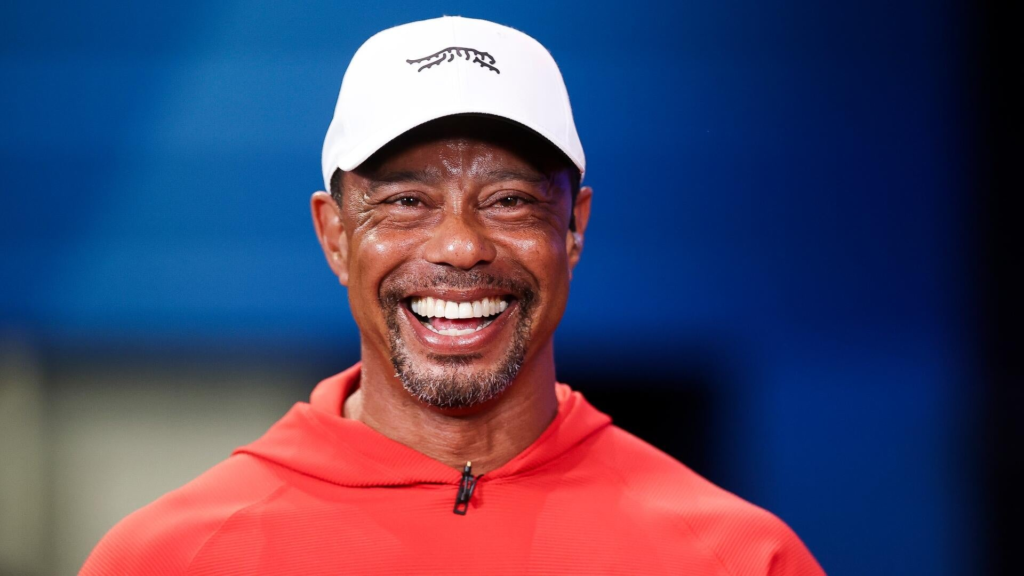
Woods’ most recent comeback came through the technology-driven indoor golf league, TGL, where he made his first competitive appearance in over a year. The return followed a prolonged recovery period marked by significant medical procedures and rehabilitation.
After missing months of action, Woods stepped back into competition during the SoFi Cup Finals. His team, Jupiter Links, faced Los Angeles Golf Club in a decisive series. The result was emphatic: a 9–2 defeat that ended the contest with a match to spare.
Despite the loss, the appearance itself carried weight. It marked his first competitive outing since early 2025 and highlighted the ongoing effort to remain active at the highest level.


Woods acknowledged the reality of the performance with unusual bluntness: “We got our a* kicked in the end.”*
Inside the Match: Moments of Promise, Then Decline
The match itself offered a condensed version of Woods’ current competitive state—flashes of quality followed by inconsistency.
Early signs were encouraging. A 272-yard three-wood helped set up a birdie, and Jupiter Links briefly moved 2–0 ahead. But momentum shifted quickly. Los Angeles Golf Club responded with sustained pressure, winning five consecutive holes and ultimately dominating the contest.
Missed putts, including a crucial short attempt early in the round, proved costly. Woods later admitted that those moments allowed the opposition to seize control—control his team never regained.



The performance reflected not just competitive rust, but the broader reality of returning after extended physical setbacks.
The Long Road Back: Injuries and Recovery
To understand the significance of this return, it is necessary to examine the scale of Woods’ recent health challenges.
Over the past few years, he has undergone multiple procedures, including:
- A back disk replacement surgery in October
- Recovery from a ruptured Achilles tendon
- Continued rehabilitation following severe leg injuries sustained in a 2021 car crash
These setbacks have limited his ability to compete consistently. He has completed a full 72-hole tournament only four times in the last five years.
Woods has been direct about the physical toll:
“The body doesn’t quite heal like it was when I was 24. Doesn’t quite bounce back.”
This is not the narrative of a declining player in the traditional sense—it is the story of an athlete negotiating the boundaries of recovery.
The Masters Question: Possibility, Not Certainty
The immediate focus now turns to the next major milestone: The Masters Tournament.
Scheduled for April 9–12, the tournament remains the most meaningful stage in Woods’ career. A five-time champion, his connection to Augusta is both historical and personal.
Yet, his participation remains uncertain.
Woods has repeatedly emphasized that playing is “not off the table,” but has stopped short of confirming his involvement.
His preparation remains cautious:
- Practicing at home
- Gradually increasing physical load
- Monitoring recovery response
“I keep trying. I want to play,” Woods said, underscoring both desire and uncertainty.
A Different Kind of Competitor
At 50, Woods is no longer competing under the same assumptions that defined his peak years.
Earlier in his career, dominance was expected. Today, participation itself is an achievement.
This shift has altered how his performances are evaluated:
- Then: Titles, rankings, and records
- Now: Health, resilience, and presence
Even his own expectations have evolved. Before the TGL match, Woods admitted he expected to feel “rusty” after a “very long year of rehabbing.”
This level of transparency contrasts sharply with the relentless confidence that once defined him.
The Broader Impact: Why His Return Still Matters
Despite the results, Woods’ presence continues to carry significance beyond the scoreboard.
Commercial Influence
His participation in events like TGL enhances visibility for emerging formats of the sport, bridging traditional golf with technology-driven entertainment.
Cultural Relevance
Woods remains one of the few athletes whose appearances still command global attention, regardless of competitive outcome.
Sporting Legacy
Each return adds to a legacy defined not just by victories, but by persistence through adversity.
What Comes Next?
The trajectory from here is uncertain, but several scenarios remain plausible:
- A limited schedule focused on major tournaments
- Continued involvement in innovative formats like TGL
- A gradual transition toward mentorship and ambassadorial roles
What is clear is that Woods is not yet ready to step away entirely.
“I want to play,” he said—simple words that encapsulate the driving force behind every comeback attempt.
Conclusion: Beyond Winning
Tiger Woods’ 2026 return is not a story of triumph in the traditional sense. It is more complex, shaped by setbacks, adaptation, and an evolving relationship with the sport.
The defeat in the SoFi Cup Finals does not diminish the significance of his presence. Instead, it reframes it. This phase of his career is no longer about dominance—it is about endurance.
Whether he tees it up at Augusta or not, Woods continues to redefine what it means to compete at the highest level, long after the peak has passed.