







Petrol Prices in South Africa: How Rising Fuel Costs Are Reshaping Everyday Life
Introduction: More Than Just a Price at the Pump
Petrol prices in South Africa are once again moving upward, reversing the brief relief motorists experienced earlier this year. What may appear as a routine fluctuation at the fuel pump is, in reality, a powerful economic signal—one that extends far beyond transport costs and into the daily decisions of households, retailers, and businesses.
- Petrol Prices in South Africa: How Rising Fuel Costs Are Reshaping Everyday Life
- A Familiar Cycle: Relief Followed by Pressure
- The Double Burden: Fuel and Electricity Costs
- The Ripple Effect: Why Petrol Prices Influence Everything
- Changing Consumer Behaviour: A Quiet Shift
- Retail and Market Implications
- Fewer Trips, Bigger Baskets
- Location Matters More Than Ever
- The Growth of Online Shopping
- Holiday Spending Under Pressure
- A Market in Transition
- Looking Ahead: What Comes Next?
- Conclusion: The Pump as a Starting Point
From grocery shopping habits to brand loyalty and even travel behavior, rising fuel prices are quietly reshaping how South Africans live and spend. As global oil markets shift and the rand weakens, the impact is becoming increasingly visible across the broader economy.
A Familiar Cycle: Relief Followed by Pressure
At the start of the year, South African motorists experienced a rare dip in fuel prices. For a short period, households found some breathing space after prolonged financial strain. However, that relief proved temporary.
As global oil prices climbed and the rand weakened toward R17 against the US dollar, fuel costs began rising again. Brent crude oil surged to approximately $106 per barrel amid geopolitical tensions and supply concerns, particularly in key oil-producing regions.
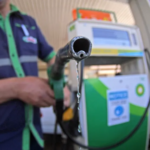


This pattern—temporary relief followed by renewed pressure—is not new. It reflects South Africa’s vulnerability to external factors such as:
-
Global oil price volatility
-
Currency fluctuations
-
Geopolitical instability affecting supply chains
The result is a recurring cycle that places households in a constant state of financial adjustment.
Related News

The Double Burden: Fuel and Electricity Costs
Fuel price increases are not occurring in isolation. South Africans are also facing higher electricity tariffs, with a nearly 9% increase approved by the National Energy Regulator of South Africa.
This combination creates a compounded effect on household finances.
According to Mervyn Abrahams from the Pietermaritzburg Economic Justice and Dignity Group, families are already under pressure:
Households are already under strain after months of high food prices.
While food costs had shown signs of stabilisation, they remain high relative to wages. The addition of rising fuel and electricity costs intensifies this burden.
The Ripple Effect: Why Petrol Prices Influence Everything
Fuel is not just a transport cost—it is embedded in nearly every part of the economy.
Higher petrol prices affect:
-
Transport costs (public and private)
-
Food production (fertiliser and agricultural inputs)
-
Packaging and distribution
-
Retail logistics
As Abrahams explains, many everyday products rely on petroleum-based inputs. This means that fuel increases quickly translate into higher prices for basic goods.
The consequence is clear: when petrol prices rise, the cost of living follows.
Changing Consumer Behaviour: A Quiet Shift
While much attention is given to inflation and transport costs, a less visible but equally significant change is occurring—consumer behaviour is evolving.
1. More Strategic Shopping
When budgets tighten, spending becomes deliberate.
Consumers begin to:
-
Compare prices more carefully
-
Prioritise discounts and promotions
-
Focus on value rather than convenience
The weekly grocery trip becomes a calculated exercise rather than a routine activity.
2. The Decline of Automatic Brand Loyalty
Traditionally, South African consumers have shown strong loyalty to familiar brands. However, rising costs are challenging this habit.
Products that once seemed affordable are now scrutinised against cheaper alternatives.
As a result:
-
Consumers are experimenting with new brands
-
Private label (store) products are gaining traction
-
Price sensitivity is increasing across all income groups
What starts as a temporary adjustment can evolve into a permanent shift in purchasing habits.
3. The Rise of Private Labels and Local Alternatives
Over the past decade, private label products have improved significantly in both quality and variety.
For consumers under pressure:
-
Store brands offer comparable quality at lower prices
-
Locally produced goods become more attractive
-
Budget-conscious experimentation increases
This creates opportunities for smaller brands and emerging producers to gain market share.
Retail and Market Implications
Retailers are observing these shifts in real time.
Immediate Changes
-
Increased demand for promotions and discounts
-
Higher responsiveness to loyalty programmes
-
Growth in bulk buying and value packs
Structural Changes
-
More dynamic competition between brands
-
Greater visibility for smaller or alternative products
-
Shift in marketing strategies toward affordability
Retail messaging is also adapting. Campaigns that emphasise savings, value, and practicality are becoming more effective than those focused on brand prestige.
Fewer Trips, Bigger Baskets
Rising fuel costs are also changing how often people shop.
Consumers are increasingly:
-
Reducing the number of shopping trips
-
Consolidating purchases into fewer visits
-
Planning purchases more carefully
This leads to:
-
Larger basket sizes
-
More structured shopping lists
-
Reduced impulse buying
Location Matters More Than Ever
With driving becoming more expensive, proximity is gaining importance.
Consumers are:
-
Choosing stores closer to home
-
Prioritising convenience over variety
-
Supporting neighbourhood retailers
This trend benefits:
-
Local convenience stores
-
Smaller retail outlets
-
Community-based businesses
The Growth of Online Shopping
Another notable shift is the increasing appeal of online shopping.
For some households:
-
Delivery fees are more economical than multiple trips
-
Time savings add additional value
-
Price comparison becomes easier
As fuel prices rise, e-commerce continues to strengthen its position within South Africa’s retail landscape.
Holiday Spending Under Pressure
The upcoming holiday season is expected to amplify these behavioural shifts.
Typically associated with increased spending, holidays may look different this year:
-
Consumers are likely to prioritise essentials
-
Budget planning will start earlier
-
Promotions will play a bigger role
-
Impulse purchases may decline
However, this period also creates opportunities for consumers to rethink long-standing habits and discover new alternatives.
A Market in Transition
Rising petrol prices are not only a financial challenge—they are a catalyst for change.
They are:
-
Disrupting traditional brand loyalty
-
Encouraging more informed purchasing decisions
-
Opening space for new market entrants
-
Reshaping retail strategies
For businesses, this moment requires responsiveness and adaptability. Brands that understand consumer pressures and deliver genuine value are more likely to retain and attract customers.
Looking Ahead: What Comes Next?
The outlook remains uncertain.
Key factors to watch include:
-
Global oil price trends
-
Currency stability
-
Geopolitical developments
-
Domestic energy policies
If current conditions persist, South Africans may continue to face sustained pressure on household budgets.
However, one outcome is already clear: consumers are becoming more strategic, informed, and adaptable.
Conclusion: The Pump as a Starting Point
Petrol prices may begin at the pump, but their impact extends far beyond it.
They influence:
-
How people travel
-
What they buy
-
Where they shop
-
Which brands they trust
In a constrained economic environment, even small price changes can trigger significant behavioural shifts.
Ultimately, rising petrol prices are forcing South Africans to rethink their spending habits—transforming everyday decisions and reshaping the broader economic landscape in the process.