





South Africa Fuel Shortages: A Market Under Pressure
An Industry Analysis of Rising Costs, Supply Risks, and Economic Strain
South Africa’s fuel market is entering a period of acute vulnerability. What began as a modest economic recovery in early 2026 is now being overshadowed by external shocks—most notably a sharp escalation in global oil prices linked to geopolitical conflict in the Middle East. The result is a tightening energy environment that risks evolving into localized fuel shortages, rising costs, and broader economic disruption.
- An Industry Analysis of Rising Costs, Supply Risks, and Economic Strain
- Early Signs of Economic Recovery—Now at Risk
- The Global Shock: Oil Prices Surge Beyond $100
- Currency Pressure Amplifies the Crisis
- Treasury’s Position: Limited Capacity for Intervention
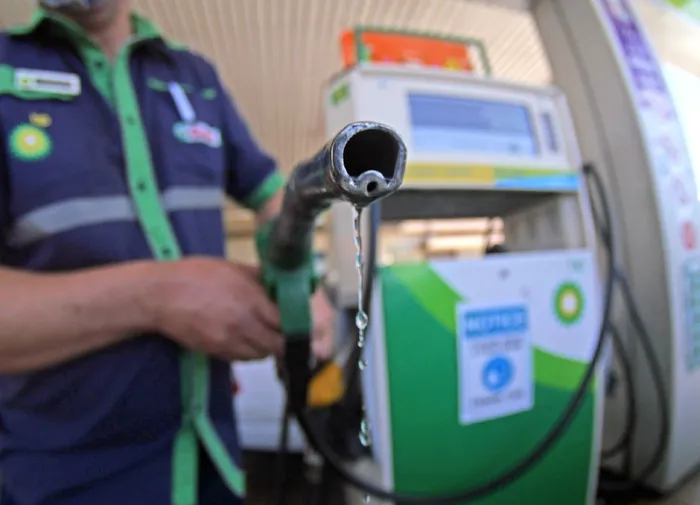
- From Price Shock to Potential Shortages
- The Ripple Effect: Inflation and Cost of Living
- Business Impact: Margin Compression and Investment Risk
- A Fragile Energy Ecosystem
- What Happens Next?
- Conclusion: A System Under Stress
This is not a sudden collapse but a systemic stress test. The signals are already visible: higher oil prices, a weakening rand, constrained government finances, and growing pressure on supply chains. Together, they form the foundation of a looming fuel crisis.
Early Signs of Economic Recovery—Now at Risk
At the start of 2026, South Africa’s economy showed tentative improvement. The PayInc Economic Index recorded a rise in everyday transactions, suggesting a gradual rebound in consumer and business activity.
-
Electronic transactions reached 177.9 million
-
Total transaction value climbed to R1.33 trillion
These figures indicated renewed momentum. Spending was recovering, and confidence was slowly returning to the market.


However, this progress remains fragile. The same interconnected global forces that support growth—trade, energy, and currency flows—are now exerting downward pressure.
The Global Shock: Oil Prices Surge Beyond $100
The primary catalyst behind the current instability is the surge in crude oil prices. Following military actions involving the United States and Israel against Iran on 28 February 2026, global oil markets reacted sharply.

-
Crude oil prices have risen more than 40%
-
Prices have exceeded $100 per barrel
-
Shipping routes and production channels have been disrupted
For a country like South Africa, which is heavily reliant on imported fuel, this creates immediate exposure. Higher global oil prices translate directly into higher domestic fuel costs.
Currency Pressure Amplifies the Crisis
Compounding the issue is the weakening of the South African rand. As oil is priced in US dollars, any depreciation of the local currency increases the cost of imports.
Market indicators reflect this pressure:
-
USD/ZAR: 16.98
-
Oil price increase: +6.67% (recent movement)
The dual effect—rising oil prices and a weaker currency—creates a multiplier effect. Even modest global increases translate into significant domestic price hikes.
Treasury’s Position: Limited Capacity for Intervention
South Africa’s National Treasury has signaled a constrained fiscal position. According to Treasury Director-General Duncan Pieterse, there is little room for meaningful relief.
“Unless you have those kinds of resources, which currently we do not have available as part of our fiscal buffers, you are either looking at no relief, or you’re looking at a very small amount of relief.”
This statement underscores a critical limitation: the government lacks the financial flexibility to absorb or offset rising fuel costs.
Historical Context
In 2022, the government temporarily reduced the general fuel levy by R1.50 per litre to cushion consumers after the Russia-Ukraine conflict disrupted markets.
However, replicating that intervention today would be significantly more difficult:
-
Fuel levy revenue reached R97 billion in the 2025–26 financial year
-
Any reduction would directly impact government revenue streams
-
Relief, if implemented, would likely be temporary and limited
From Price Shock to Potential Shortages
While the current situation is primarily framed as a price crisis, the risk of fuel shortages cannot be dismissed. Several mechanisms could trigger supply disruptions:
1. Supply Chain Strain
Disruptions in global shipping routes—particularly through key oil transit corridors—can delay deliveries.
2. Inventory Pressures
Higher costs may reduce bulk purchasing by distributors, tightening local supply.
3. Panic Buying
As prices rise, consumers may begin stockpiling fuel, leading to temporary shortages at retail stations.
4. Infrastructure Constraints
South Africa’s fuel storage and refining capacity limitations make the system less resilient to shocks.
These factors do not guarantee nationwide shortages, but they increase the probability of localized disruptions, especially in high-demand urban areas.
The Ripple Effect: Inflation and Cost of Living
Fuel is a foundational input across the economy. When fuel prices rise, the impact spreads rapidly:
-
Transport costs increase (public and private)
-
Food prices rise due to higher logistics expenses
-
Electricity costs escalate, particularly where diesel is used for backup power
-
Business operating costs climb, reducing margins and slowing hiring
This creates a classic inflationary cycle. Even sectors not directly linked to fuel begin to feel the pressure.
Consumers are already bracing for higher living costs, with fuel and electricity prices acting as primary drivers.
Business Impact: Margin Compression and Investment Risk
For businesses, especially in logistics, retail, and manufacturing, fuel price volatility introduces significant uncertainty.
Key risks include:
-
Reduced profitability due to higher operating costs
-
Supply chain delays and unpredictability
-
Increased pricing pressure passed onto consumers
-
Slower capital investment due to economic uncertainty
Small and medium enterprises (SMEs), which often lack financial buffers, are particularly exposed.
A Fragile Energy Ecosystem
South Africa’s broader energy challenges amplify the situation. With ongoing pressures on electricity supply and infrastructure investment needs, fuel plays a critical backup role in maintaining economic activity.
Diesel generators, transport fleets, and industrial operations all depend on stable fuel access. Any disruption—whether price-driven or supply-related—has systemic consequences.
What Happens Next?
The trajectory of South Africa’s fuel situation will depend on several external and internal variables:
Global Factors
-
Stability in the Middle East
-
Oil production levels and shipping routes
-
International market sentiment
Domestic Factors
-
Rand performance against the US dollar
-
Government policy responses
-
Consumer behavior and demand patterns
If oil prices remain elevated and the rand continues to weaken, sustained high fuel prices—and potential supply pressures—are likely.
Conclusion: A System Under Stress
South Africa is not yet in a full-scale fuel shortage crisis, but the underlying conditions are aligning in that direction. The combination of global geopolitical shocks, rising oil prices, currency weakness, and limited fiscal intervention capacity creates a high-risk environment.
The early economic recovery seen in February now faces a significant test. Whether the country can absorb the shock without tipping into widespread shortages or deeper economic strain will depend largely on external developments beyond its control.
For now, the outlook remains cautious: fuel is becoming more expensive, pressure is building, and resilience is being tested across the entire economy.