






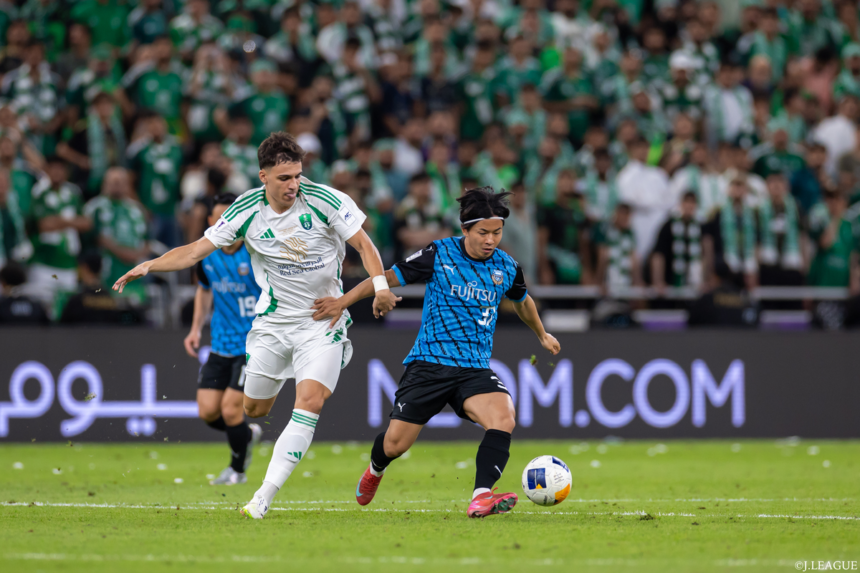
Kawasaki Frontale: The Blueprint of Modern Japanese Football Excellence
A Club That Redefined Success in Japan
In the landscape of Asian football, few clubs have undergone as striking a transformation as Kawasaki Frontale. Once considered a mid-table side with limited national impact, the Kanagawa-based club has evolved into one of the most dominant and stylistically admired teams in Japanese football.
- A Club That Redefined Success in Japan
- From Modest Beginnings to J-League Powerhouse
- Tactical Identity: Precision, Possession, and Purpose
- Key Figures Behind the Success
- Home Advantage: Todoroki Stadium
- Domestic Dominance and Silverware
- Continental Ambitions: The Asian Stage
- Cultural and Sporting Impact
- Challenges Ahead: Sustaining Excellence
- Future Outlook: A Model Built to Last
- Conclusion
Their rise is not accidental. It is the result of a carefully constructed philosophy built on attacking football, technical precision, and long-term planning—elements that now define the club’s identity both domestically and across Asia.
From Modest Beginnings to J-League Powerhouse
Kawasaki Frontale’s early years in the J.League were largely unremarkable. For much of their initial existence, they were competitive but inconsistent, lacking the stability and depth required to challenge for titles.
That trajectory began to shift in the mid-2010s.
A combination of strong recruitment, tactical clarity, and a commitment to developing technically gifted players allowed the club to transition from contenders to champions. Their breakthrough came when they secured their first league title—marking the beginning of a sustained period of dominance.
From that point forward, Kawasaki Frontale established themselves as a benchmark for excellence in Japanese football.


Tactical Identity: Precision, Possession, and Purpose
What separates Kawasaki Frontale from many of their domestic rivals is not just their success—but how they achieve it.
A Distinctive Playing Style
The team is widely recognized for:
- High-possession football
- Quick, short passing combinations
- Fluid attacking movements
- Positional discipline with creative freedom
Rather than relying on physicality or defensive conservatism, Kawasaki prioritizes technical superiority and intelligent movement. Their approach mirrors some of the most advanced tactical systems seen in European football, adapted effectively to the Japanese game.
Offensive Efficiency
Kawasaki’s attacking structure emphasizes:



- Overloads in wide areas
- Late runs into the box
- Interchanging midfield roles
This creates a system where goals are shared across the squad rather than concentrated in a single striker—making them unpredictable and difficult to defend against.
Key Figures Behind the Success
Sustained success at this level requires both visionary leadership and elite-level execution on the pitch.
Coaching Stability
One of Kawasaki Frontale’s defining strengths has been managerial continuity. Coaches have been selected not just for results, but for alignment with the club’s philosophy.
This consistency has allowed:
- Tactical systems to mature over time
- Youth players to integrate seamlessly
- Squad transitions to remain stable
Influential Players
Over the years, the club has produced and attracted players who embody their style—technically gifted, tactically intelligent, and comfortable in possession-heavy systems.
These players have not only driven domestic success but also contributed to Japan’s national team, reinforcing the club’s broader impact on the sport.
Home Advantage: Todoroki Stadium
Kawasaki Frontale’s home ground, Todoroki Stadium, plays a significant role in their identity.
The venue is known for:
- A vibrant, coordinated fan base
- High attendance during key fixtures
- An atmosphere that supports attacking football
Supporters are deeply engaged, often contributing to choreographed displays and sustained vocal backing, turning home matches into high-pressure environments for visiting teams.
Domestic Dominance and Silverware
Kawasaki Frontale’s golden era has been defined by consistent trophy success.
Key Achievements
- Multiple J.League titles
- Domestic cup victories
- Regular top-three league finishes
Their dominance is characterized not just by winning titles, but by doing so with a clear margin—often leading the league in goals scored, goal difference, and overall points.
Continental Ambitions: The Asian Stage
While Kawasaki Frontale have firmly established themselves in Japan, the next frontier remains continental dominance.
In the AFC Champions League, the club has:
- Regularly qualified due to domestic success
- Demonstrated strong group-stage performances
- Faced challenges in later knockout rounds
The gap between domestic superiority and continental success highlights the increasing competitiveness of Asian club football, where tactical diversity and travel demands present unique challenges.
Cultural and Sporting Impact
Kawasaki Frontale’s rise extends beyond trophies.
Influence on Japanese Football
The club has contributed to:
- Raising technical standards in the league
- Promoting attacking football philosophies
- Developing players suited for international competition
Community Engagement
Off the pitch, Kawasaki is recognized for strong community involvement, including:
- Youth development programs
- Local outreach initiatives
- Fan engagement campaigns
This dual focus—performance and community—has strengthened their reputation as a model club.
Challenges Ahead: Sustaining Excellence
Sustained dominance in modern football is difficult. Kawasaki Frontale faces several ongoing challenges:
Squad Evolution
Maintaining competitiveness requires:
- Replacing departing key players
- Integrating younger talent
- Managing squad depth across multiple competitions
Tactical Adaptation
As opponents become more familiar with their style, the club must:
- Introduce tactical variations
- Enhance defensive resilience
- Maintain unpredictability in attack
Continental Breakthrough
Achieving success in the AFC Champions League remains a critical objective. Bridging this gap would elevate the club’s status from domestic powerhouse to continental elite.
Future Outlook: A Model Built to Last
Kawasaki Frontale’s trajectory suggests that their success is not cyclical, but structural.
Their long-term strengths include:
- A clearly defined football philosophy
- Strong youth development systems
- Organizational stability
- Tactical consistency
If these elements are maintained, the club is well-positioned to remain a dominant force in Japan and a serious contender in Asia.
Conclusion
Kawasaki Frontale’s story is one of deliberate transformation. From modest beginnings to sustained excellence, the club has redefined what success looks like in Japanese football.
Their emphasis on technical quality, tactical intelligence, and organizational coherence offers a blueprint for modern football clubs seeking long-term success.
The next chapter will be defined not just by domestic dominance—but by whether they can translate their philosophy into continental triumph.