




SASSA Payment Dates April 2026: What Beneficiaries Need to Know
A Practical Guide to April 2026 Grant Payments, Increases, and System Changes
The South African Social Security Agency (SASSA) has confirmed the official payment schedule for April 2026, alongside notable increases in grant values and renewed efforts to modernise the social assistance system. For millions of beneficiaries, these updates are not just administrative—they directly affect household stability, purchasing power, and access to essential services.
- A Practical Guide to April 2026 Grant Payments, Increases, and System Changes
- Confirmed SASSA Payment Dates for April 2026
- How the SASSA Payment System Works
- Grant Increases Effective April 2026
- System Integrity: Tackling Fraud and Misuse
- Modernisation Efforts: Moving Toward a Digital System
- Important Reminders for Beneficiaries
- Broader Implications: Why These Changes Matter
- Conclusion
This guide breaks down the confirmed payment dates, revised grant amounts, operational changes, and what beneficiaries should expect throughout April.
Confirmed SASSA Payment Dates for April 2026
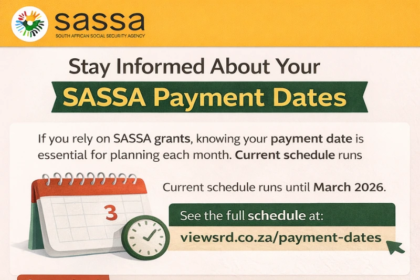
SASSA will once again follow its phased payment structure, designed to distribute funds efficiently and reduce congestion at pay points.
The official dates are:



- Older Persons Grant: Thursday, 2 April 2026
- Disability Grant: Friday, 7 April 2026
- Child Support, Foster Child, Care Dependency, War Veterans and Grant-in-Aid: Monday, 8 April 2026
- SRD R370 Grant: Paid individually, typically later in April
This staggered system ensures that beneficiaries are not forced to collect funds simultaneously, reducing overcrowding at ATMs, retail outlets, and SASSA pay points.
Importantly, beneficiaries are advised not to rush on the first day, as funds remain safely available in their accounts after the payment date.


How the SASSA Payment System Works
The phased payment system is structured to prioritise vulnerable groups while maintaining operational efficiency.
What this system achieves:
- Reduces long queues and overcrowding
- Minimises safety risks for beneficiaries
- Improves payment processing efficiency
- Ensures orderly access to funds
How it works:
- Payments begin with older persons
- Followed by disability grant recipients
- Then children’s and other support grants
- SRD payments are processed separately after verification
For the SRD R370 grant, each payment is issued individually once applications are verified, which is why these payments typically occur later in the month.
Grant Increases Effective April 2026
Following the 2026 national budget, Finance Minister Enoch Godongwana confirmed increases across most social grants.
Updated grant amounts:
- Old Age Grant: increases from R2 315 to R2 400
- Disability Grant: increases from R2 315 to R2 400
- Care Dependency Grant: increases from R2 315 to R2 400
- War Veterans Grant: increases from R2 335 to R2 420
- Foster Care Grant: increases from R1 250 to R1 290–R1 295
- Child Support Grant: increases from R560 to R580
- Grant-in-Aid: increases from R560 to R580
- SRD Grant: remains at R370
These increases, while modest, are intended to help offset rising living costs, particularly in urban areas where food and transport expenses continue to climb.



System Integrity: Tackling Fraud and Misuse
Alongside payment updates, SASSA has intensified its efforts to safeguard public funds through a comprehensive grant review process.
According to SASSA CEO Themba Matlou, the initiative is already producing measurable results:
- Savings: Approximately R44 million per month
- Annual impact: Around R0.5 billion
“The social grant review process is an important step not only to safeguard the integrity of the social assistance programme but also to ensure that public funds are directed to those who need them most, including reducing the level of fraud and misuse of public funds,” Matlou said.
This process was introduced at the start of the 2025/2026 financial year and is expected to expand further.
Modernisation Efforts: Moving Toward a Digital System
SASSA is also transitioning toward a more technology-driven system to reduce administrative pressure and improve accessibility.
Key changes include:
- Compulsory biometric enrolment for new applicants
- Life certification checks for selected beneficiaries
- e-Life Certification system for remote verification
- Self-service platforms for improved access
These updates aim to:
- Reduce dependency on physical offices
- Improve verification accuracy
- Enhance convenience for beneficiaries
- Strengthen fraud prevention mechanisms
SASSA has indicated that future developments will further integrate these services into digital platforms, making the system more efficient and accessible nationwide.
Important Reminders for Beneficiaries
To ensure smooth access to funds, beneficiaries should note the following:
- Payments may shift if they fall on weekends or public holidays
- Ensure banking details are accurate and active
- If payment is delayed beyond 2–3 working days, contact SASSA or visit a local office
- Avoid peak-day collections to reduce waiting times
These practical steps are designed to improve the beneficiary experience while maintaining system stability.
Broader Implications: Why These Changes Matter
The April 2026 updates reflect a broader balancing act between fiscal constraints and social protection.
On one hand, the increases provide limited relief against inflation. On the other, stricter verification processes signal a tightening of oversight in public spending.
The introduction of biometric systems and digital verification tools also points to a long-term shift toward a more data-driven welfare system—one that prioritises accuracy, accountability, and accessibility.
Conclusion
April 2026 marks a significant month for SASSA beneficiaries, combining confirmed payment schedules, incremental grant increases, and ongoing system reforms.
While the financial adjustments may not fully offset rising costs, the structural improvements—particularly in fraud prevention and digital access—suggest a more resilient and efficient social assistance framework in the years ahead.
For beneficiaries, the key takeaway is clear: understand your payment date, verify your details, and use the system strategically to avoid unnecessary delays or complications.