





A Historic Landmark in Crisis: Inside the Botha Sigcau Building Fire
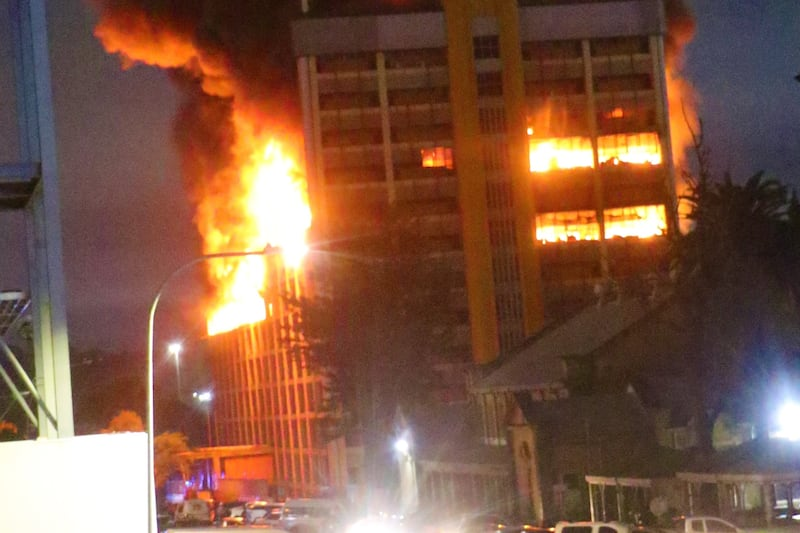
In the heart of Mthatha, a structure long associated with governance, history, and public service has been thrust into the spotlight for a different reason. The Botha Sigcau Building—an iconic government complex in the Eastern Cape—has been severely damaged by a fire that broke out on Tuesday, prompting an urgent response from emergency services and raising deeper questions about infrastructure safety and public sector oversight.
- A Historic Landmark in Crisis: Inside the Botha Sigcau Building Fire
- The Fire Unfolds: Emergency Response and Immediate Impact
- Disruption to Public Services and Workforce Uncertainty
- Longstanding Warnings: Maintenance and Safety Concerns Resurface
- A Building Steeped in History
- Investigation and What Comes Next
- Broader Implications: Infrastructure, Governance, and Public Trust
- Conclusion: A Defining Moment for Accountability and Reform
What began as a localized incident quickly escalated into a significant emergency, with flames engulfing parts of the 11-storey building and forcing authorities into immediate action. As firefighters continue their efforts and investigations unfold, the incident has exposed both immediate operational challenges and long-standing systemic concerns.
The Fire Unfolds: Emergency Response and Immediate Impact
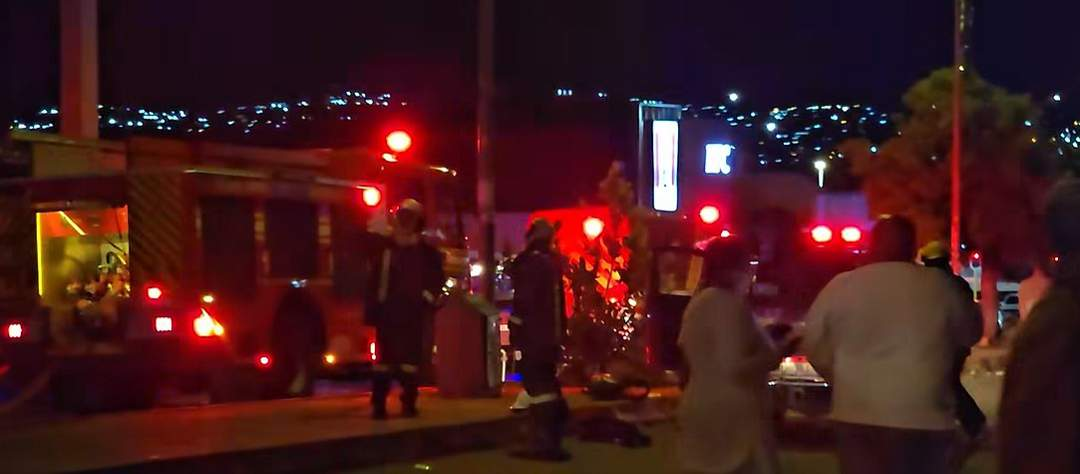
The blaze erupted on Tuesday, drawing emergency officials to the scene in central Mthatha. By the time responders arrived, large sections of the building were already engulfed in flames. Firefighters have remained on-site, working continuously to contain and extinguish the fire in affected areas.
Authorities confirmed that no injuries or fatalities have been reported so far—an outcome that has provided some relief amid the unfolding crisis. However, the structural damage appears extensive, with officials noting that the building has been “badly damaged.”
The provincial government has since tasked the Department of Public Works with assessing the full extent of the damage. This evaluation will determine not only the structural integrity of the building but also the feasibility of restoration or the need for more drastic measures.


Meanwhile, police in the Eastern Cape have launched an official investigation into the cause of the fire. At this stage, the origin of the blaze remains unknown.
Disruption to Public Services and Workforce Uncertainty
Beyond the visible destruction, the fire has created immediate disruptions for hundreds of employees who rely on the Botha Sigcau Building as their workplace. The structure houses at least 11 government offices and departments, including education services.
With access to the building compromised, many workers are now in limbo. Some employees reportedly attempted to continue their duties despite the fire, underscoring both the urgency of their work and the lack of clear contingency arrangements.
However, most are now awaiting guidance from authorities regarding temporary workspaces or alternative operational plans. This uncertainty highlights the broader administrative challenge: maintaining continuity of essential public services while dealing with an infrastructure crisis.



Longstanding Warnings: Maintenance and Safety Concerns Resurface
As investigations continue, attention has turned to reports that issues within the building had been flagged long before the fire.
Staff members and workers have spoken about persistent maintenance and safety concerns that were raised over the years but allegedly remained unresolved. These include structural and safety deficiencies that, in hindsight, may have contributed to the vulnerability of the building.
The current situation has therefore reignited debate around infrastructure management within government facilities. It raises critical questions about whether preventative maintenance protocols were adequate and whether earlier intervention could have mitigated the severity of the incident.
A Building Steeped in History
The significance of the Botha Sigcau Building extends far beyond its administrative function. Named after a former president of the Transkei, the building carries deep historical and political symbolism in the region.
It is also remembered as the site of an attempted coup led by former Transkei Defence Force General Bantu Holomisa, embedding it further into South Africa’s complex political narrative. Over the years, the structure has stood as both a functional government hub and a historical landmark.
The damage inflicted by the fire therefore represents not just a logistical setback, but also a cultural and historical loss that resonates with the broader community.
Investigation and What Comes Next
Authorities are now focused on determining the cause of the fire—a process that will be central to accountability and future prevention strategies.
The investigation aims to achieve several key outcomes:
- Identify the origin of the fire to establish whether it was accidental, structural, or linked to external factors
- Assess compliance with safety regulations within the building
- Determine liability or negligence, if any, in relation to previously reported issues
- Guide future infrastructure policies to prevent similar incidents
At the same time, the Department of Public Works’ assessment will inform decisions on whether the building can be repaired or must be partially or fully replaced.
Broader Implications: Infrastructure, Governance, and Public Trust
The Botha Sigcau Building fire is more than an isolated incident. It highlights systemic issues that extend across public infrastructure management.
First, it underscores the importance of proactive maintenance in government buildings, particularly those with high occupancy and critical public functions. Second, it exposes the operational risks that arise when contingency planning is insufficient.
Finally, the incident has implications for public trust. When long-standing concerns reportedly go unaddressed, events like this can reinforce perceptions of institutional inefficiency or neglect.
Conclusion: A Defining Moment for Accountability and Reform
As firefighters continue their work and investigators search for answers, the Botha Sigcau Building stands as both a physical and symbolic reminder of what is at stake.
The immediate priority remains containment, safety, and support for displaced workers. But in the longer term, the incident may serve as a catalyst for deeper reforms in how public infrastructure is managed, maintained, and monitored.
Whether this moment leads to meaningful change will depend on the findings of the investigation—and the willingness of authorities to act on them.