




Citro-Soda Under Scrutiny: Inside the Recall That Shook a Household Remedy
A Trusted Remedy Faces an Unexpected Setback
For decades, Citro-Soda has occupied a familiar place in medicine cabinets across South Africa and beyond. Known as an effervescent, granulated treatment for digestive discomfort and urinary conditions, it has long been associated with reliability and accessibility.
- A Trusted Remedy Faces an Unexpected Setback
- What Citro-Soda Is—and Why It Matters
- The Recall Explained: What Triggered the Action
- Inside the Inspection: What Regulators Found
- Scope and Scale: How Far the Impact Reaches
- A Pattern of Precaution: Part of a Larger Trend
- Consumer Guidance: What This Means in Practice
- Industry Implications: Manufacturing Under the Microscope
- What Happens Next?
- Conclusion: A Wake-Up Call for Trust and Oversight
But in March 2026, that trust was tested.
A large-scale product recall has placed Citro-Soda at the center of a regulatory and public health response, raising questions about manufacturing standards, quality control, and consumer safety in one of the country’s most recognizable pharmaceutical brands.
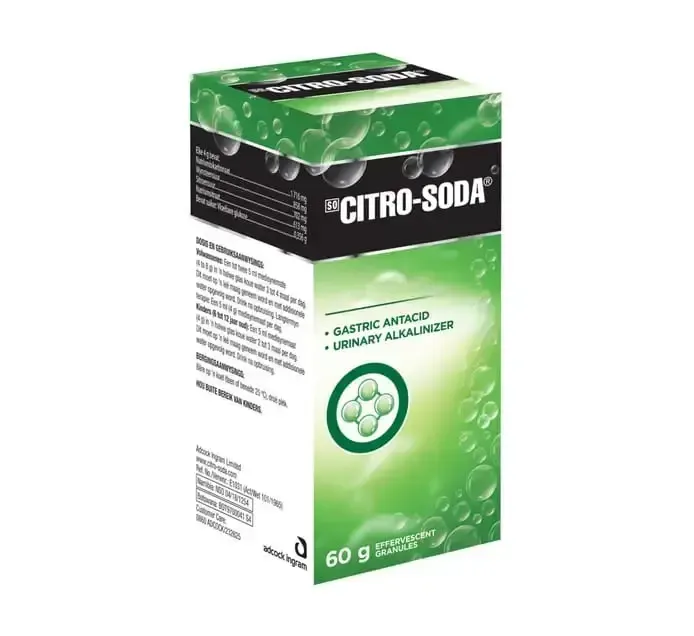
What Citro-Soda Is—and Why It Matters
Citro-Soda is more than just a household name. It is widely used as both:
- A gastric antacid, helping neutralize excess stomach acid
- A urinary alkaliniser, aiding in certain urinary tract conditions
Its effervescent formulation allows it to dissolve quickly in water, making it a fast-acting option for relief. This widespread usage means that any disruption in supply or safety has immediate implications for public health.


The Recall Explained: What Triggered the Action
The recall was initiated by the South African Health Products Regulatory Authority (SAHPRA) after a potential contamination risk was identified at a manufacturing facility operated by Adcock Ingram in Clayville, Johannesburg.
This action was classified as a Class II recall, a category used for situations where the risk to health is considered temporary or reversible, but still significant enough to warrant urgent intervention.
The recall specifically targets:
- Citro-Soda Regular 60g
- Citro-Soda Regular 120g
- Citro-Soda Regular 4g sachets (packs of 30)
Only certain batches produced at the Clayville facility are affected, particularly those marked with batch identifiers beginning with “C” and expiring on or before November 2027.



Flavoured variants and products manufactured at other facilities remain unaffected.
Inside the Inspection: What Regulators Found
The recall followed a whistleblower report that triggered a formal inspection of the Clayville plant. What inspectors uncovered was concerning.
According to regulatory findings, deficiencies included:
- Damaged and rusty machinery
- Fragments of metal found in manufacturing vessels
- Poorly maintained conveyor systems
- Residue build-up on production equipment
- Inadequate cleaning procedures
These conditions raised the possibility that contaminated products could reach consumers.
Lebogang Mazibuko, SAHPRA’s senior manager for inspectorate and regulatory compliance, stated:
“These critical deficiencies… have the potential to produce a product that can significantly harm patients.”
The findings prompted immediate enforcement action, including the recall and further regulatory oversight.
Scope and Scale: How Far the Impact Reaches
The affected batches were not limited to South Africa. According to regulators, they were distributed to nine other African countries, with the total volume reaching tens of thousands of units.
This regional distribution underscores the broader implications of manufacturing failures in centralized production facilities.
However, SAHPRA has emphasized that:
- The issue is confined to a single facility
- Other Adcock Ingram products are considered safe and compliant
- Alternative manufacturing sites, including those outside South Africa, remain unaffected
A Pattern of Precaution: Part of a Larger Trend
The Citro-Soda recall does not exist in isolation. It forms part of a broader pattern of increased vigilance in South Africa’s consumer and pharmaceutical sectors.
Recent recalls include:
- Listeria-related contamination in children’s snacks
- Baby formula withdrawals affecting thousands of units
- Peanut butter products exceeding aflatoxin limits
This trend reflects a tightening regulatory environment, where authorities are acting proactively rather than reactively.
Consumer Guidance: What This Means in Practice
The recall process serves a specific purpose: to remove potentially harmful products from circulation before they can cause widespread harm.
For consumers, this typically involves:
- Identifying affected batches through packaging details
- Ceasing use immediately if a match is found
- Returning products to retailers or suppliers for replacement or refund
Authorities have indicated that further guidance will be issued to healthcare professionals and the public to clarify risks and next steps.
Industry Implications: Manufacturing Under the Microscope
Beyond immediate consumer concerns, the recall highlights deeper structural issues within pharmaceutical manufacturing:
- The importance of equipment maintenance and sanitation
- The role of whistleblowers in identifying systemic risks
- The need for robust inspection frameworks
Adcock Ingram’s dual manufacturing strategy—producing key products at multiple sites—has helped limit supply disruption. However, the incident raises questions about quality consistency across facilities.
What Happens Next?
Several developments are expected in the coming weeks:
- SAHPRA is set to release detailed findings and guidance
- Further inspections and compliance measures may follow
- The company may implement corrective actions to restore confidence
The situation also places pressure on regulators to maintain transparency and on manufacturers to reinforce internal quality controls.
Conclusion: A Wake-Up Call for Trust and Oversight
The Citro-Soda recall is not merely a product withdrawal—it is a case study in how quickly trust can be challenged in the healthcare sector.
While the issue appears contained, its implications are far-reaching. It underscores the delicate balance between mass production and patient safety, and the critical role of regulatory vigilance in maintaining that balance.
For consumers, it is a reminder to remain attentive. For the industry, it is a signal that compliance failures—even localized ones—can have regional consequences.