






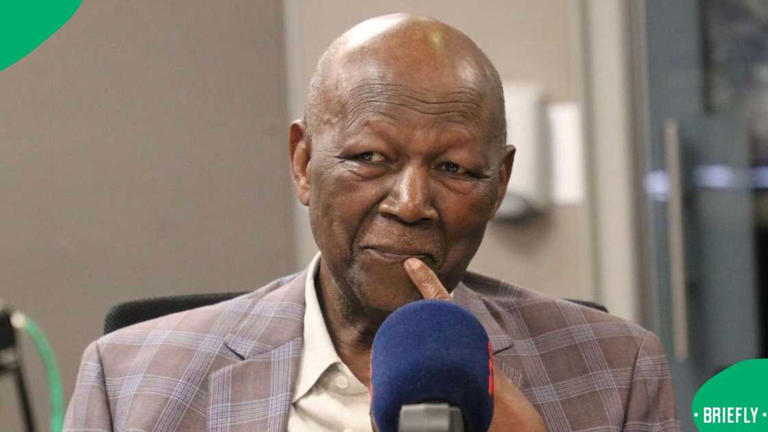
Mfundi Vundla and the Royalty Debate: A Cultural Fault Line in South African Television
A Controversy That Refuses to Fade
Few figures in South African television command as much influence—and provoke as much debate—as Mfundi Vundla. As the creator of the long-running soap opera Generations, Vundla has shaped the careers of dozens of actors and helped define the country’s television landscape.
- A Controversy That Refuses to Fade
- The Royalty Question: Who Owns the Value?
- Social Media Reaction: A Divided Public
- Revisiting the “Generations 16” Fallout
- The Role of the Broadcaster: SABC Under Scrutiny
- Structural Inequality in the Industry
- Actors vs Creators: A Misunderstood Divide?
- A System at a Crossroads
- What Happens Next?
- Conclusion: More Than One Man’s Controversy
Yet in recent days, his legacy has been pulled back into the spotlight—not for creative achievement, but for a renewed and increasingly heated debate around royalties, fairness, and the economics of television production.
What began as an actor’s demand for royalties has evolved into a broader public reckoning, exposing unresolved tensions between creators, broadcasters, and performers in South Africa’s entertainment industry.
The Royalty Question: Who Owns the Value?
At the center of the current controversy is a fundamental question: should television actors earn royalties from the continued success of shows they help build?
The issue resurfaced after public discussions around Generations actors seeking compensation beyond their original performance fees. The debate quickly spilled onto social media, where audiences, industry insiders, and critics began dissecting the structure of television earnings.
Two sharply contrasting viewpoints have emerged:


-
The traditional model: Actors are paid upfront performance fees, while ownership—and therefore royalties—belongs to the creator or broadcaster.
-
The evolving model: Actors, as contributors to a show’s long-term success, should receive residual payments similar to musicians.
Some commentators argue that once a broadcaster commissions a show, ownership shifts to the channel, and remuneration is tied to advertising revenue—not long-term profit-sharing. Others counter that this model fails to reflect the collaborative nature of modern storytelling.
Social Media Reaction: A Divided Public
The debate has triggered an intense reaction online, particularly on X (formerly Twitter), where opinions reflect deeper frustrations about inequality in the creative sector.
Some voices accuse industry leaders of perpetuating exploitative systems:
“They don’t come in and change the exploitation, they join the whites in exploiting black talent.”
Others defend the existing structure as a contractual reality:



“Once a broadcaster commissions your idea it’s theirs… The owner gets royalties, not the cast; they get a performance fee.”
A third group points to missed opportunities on the actors’ side:
“They should have negotiated better… Perhaps ask for marketing rights.”
This range of reactions highlights not just disagreement over royalties, but a broader lack of clarity—and consensus—on how creative labor should be valued.
Revisiting the “Generations 16” Fallout
The current debate has also revived memories of one of the most significant disputes in South African television history: the 2014 dismissal of 16 principal actors from Generations.
The conflict began when actors demanded:
-
Higher salaries
-
Royalties from repeat broadcasts
Production came to a halt, and Vundla ultimately made the decision to terminate the actors’ contracts—a move he continues to defend.
Reflecting on the situation, he stated:
“I created a show which I was extremely proud of. It’s my dream. Nobody’s going to mess with my dream.”
According to Vundla, the dispute was not merely about money, but about protecting creative control and meeting contractual obligations to the broadcaster.
The Role of the Broadcaster: SABC Under Scrutiny
The controversy cannot be separated from the role of the South African Broadcasting Corporation (SABC), which commissions and distributes much of the country’s television content.
Vundla has recently criticized the broadcaster, citing:
-
Persistent budget cuts
-
“Vicious” management practices
-
Editorial interference
He argues that these pressures undermine creative integrity and limit the financial flexibility needed to accommodate evolving compensation models.
This introduces a critical layer to the debate: even if producers were willing to restructure payments, would the system allow it?
Structural Inequality in the Industry
Beyond individual disputes, the conversation has exposed deeper systemic issues.
Some critics frame the situation as part of a larger pattern of inequality:
“He became too rich to speak up for a common pain… structural inequalities.”
Others suggest the system itself conditions behavior:
“Some executives enter the system to change it, but too often they simply learn its rules.”
These perspectives point to a broader reality: the television industry operates within historical power structures that continue to shape who benefits—and how much.
Actors vs Creators: A Misunderstood Divide?
A recurring argument in the debate centers on the distinction between creative ownership and performance contribution.
One widely shared perspective frames it this way:
-
Musicians create, write, and perform—therefore earning royalties
-
Actors interpret scripts—they are hired to perform
This view suggests that royalties belong to those who originate intellectual property, not those who execute it.
However, critics challenge this distinction, arguing that:
-
Performances drive audience engagement
-
Characters become cultural icons through actors, not scripts alone
-
Long-running shows depend on the consistency and popularity of cast members
The result is an unresolved tension between legal ownership and cultural contribution.
A System at a Crossroads
The Mfundi Vundla controversy ultimately reflects a broader industry transition.
Key unresolved questions include:
-
Should television adopt royalty structures similar to music and film?
-
How should contracts evolve in the era of digital rebroadcasts and streaming?
-
Who truly creates value in serialized storytelling?
The lack of standardized answers continues to generate conflict—not just in South Africa, but globally.
What Happens Next?
While the immediate dispute may fade, the underlying issues are unlikely to disappear.
Several possible developments could shape the future:
-
Contract reforms introducing limited residual payments for actors
-
Stronger unions or guilds advocating for standardized compensation models
-
Broadcaster policy changes tied to digital revenue streams
-
Hybrid ownership models recognizing both creators and performers
Whether these changes materialize will depend on negotiations between producers, broadcasters, and talent—and on continued public pressure.
Conclusion: More Than One Man’s Controversy
The debate surrounding Mfundi Vundla is not simply about one producer or one show. It is a reflection of an industry grappling with how to fairly distribute value in a changing media economy.
As audiences engage more critically with the content they consume, and as performers demand recognition beyond traditional contracts, the television sector faces a clear imperative: adapt or risk ongoing conflict.
For now, the conversation remains open—and increasingly urgent.