



Motus Corporation Automotive Apprenticeships 2026: A Practical Pathway Into the Motor Industry
A hands-on route into one of South Africa’s most in-demand trades
As the automotive industry continues to evolve with new technologies and growing demand for skilled technicians, structured training opportunities are becoming increasingly critical. The Motus Corporation Automotive Apprenticeships 2026 programme arrives at a time when practical, skills-based career pathways are gaining renewed importance across South Africa.
- A hands-on route into one of South Africa’s most in-demand trades
- Understanding the Motus apprenticeship model
- What the apprenticeship actually delivers
- Entry requirements: Who qualifies?
- Skills that define successful apprentices
- Why this apprenticeship matters in today’s economy
- Career outcomes: What comes after completion?
- How to apply and what the process achieves
- A practical investment in technical careers
With applications open until 30 April 2026, this nationwide initiative is specifically designed to equip unemployed youth with the technical capabilities required to enter the automotive sector—one of the country’s most resilient and skills-driven industries.
Rather than focusing solely on theoretical learning, the programme emphasizes hands-on experience, workplace exposure, and formal trade development, creating a direct pipeline into employment.
Understanding the Motus apprenticeship model
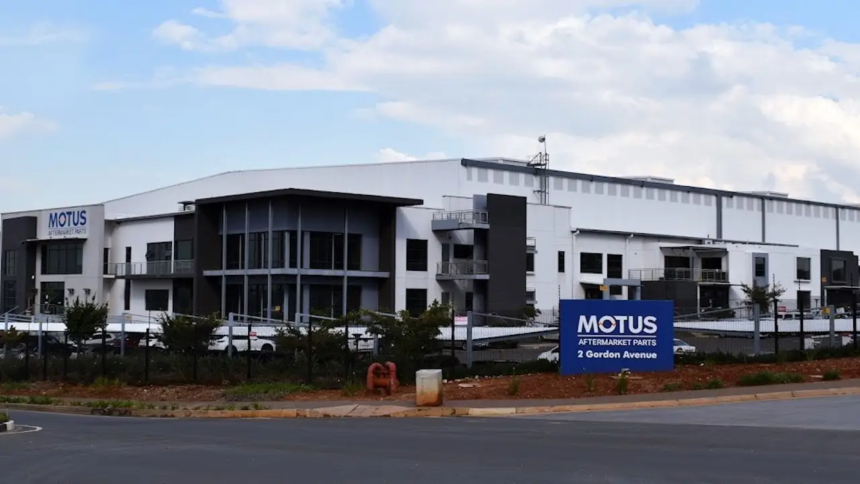
Motus Corporation, through its retail division, is offering an Automotive Apprenticeship Programme across its extensive dealer network. The programme targets individuals with a strong interest in mechanical work and motor vehicles, providing structured training over a period of up to three years.


Programme overview
- Programme: Automotive Apprenticeship (Petrol or Diesel)
- Company: Motus Corporation
- Duration: Up to 3 years
- Industry: Automotive / Mechanical
- Work Type: Entry-level contract
- Location: Nationwide, South Africa
The apprenticeship is structured to bridge the gap between technical education and real-world application, aligning with industry standards while preparing learners for certification.
What the apprenticeship actually delivers
At its core, this programme is designed to transform learners into qualified motor mechanics through a blend of practical work and formal training requirements.


Key training components
Participants will:
- Assist with vehicle repairs under supervision
- Learn mechanical and technical workshop processes
- Participate in merSETA trade requirements
- Complete level tests and structured training modules
- Work towards certification as a Petrol or Diesel Motor Mechanic
This combination ensures that apprentices are not only exposed to real workshop environments but are also guided through a recognized trade qualification pathway.
Entry requirements: Who qualifies?
The programme is targeted at candidates who already have a foundational level of technical education and are ready to transition into practical training.
Minimum eligibility criteria
Applicants must:



- Be a South African citizen
- Have Grade 10, including:
- Pure Mathematics or Technical Mathematics
- Physical Science
In addition, candidates must hold one of the following:
- N2 qualification (including Motor Theory), or
- NCV Level 4 (with Pure Maths)
For those pursuing diesel specialization:
- The N2 qualification must include Diesel Theory
Other requirements include:
- A valid driver’s license, or willingness to obtain one
This structure ensures that applicants already possess the technical baseline required to succeed in a demanding workshop environment.
Skills that define successful apprentices
While academic qualifications are essential, the programme places equal emphasis on behavioral and technical competencies.
Core competencies expected
- Strong passion for vehicles and mechanical systems
- Interest in technical workshop environments
- Effective problem-solving ability
- High level of attention to detail
- Ability to follow instructions and safety procedures
- Solid communication and teamwork skills
- Demonstrated commitment and reliability
These attributes are critical in an industry where precision, safety, and consistency directly impact performance outcomes.
Why this apprenticeship matters in today’s economy
South Africa’s automotive sector remains a key contributor to both employment and industrial output. However, a persistent skills shortage in technical trades continues to limit growth.
Programmes such as this one address that gap by:
- Developing job-ready technicians
- Supporting youth employment
- Strengthening the technical workforce pipeline
- Aligning training with industry certification standards
By integrating workplace learning with formal requirements like merSETA trade qualifications, Motus ensures that apprentices are not only trained but also professionally accredited.
Career outcomes: What comes after completion?
Successful apprentices can expect to transition into roles such as:
- Qualified Petrol Motor Mechanic
- Qualified Diesel Motor Mechanic
- Automotive service technician within dealership networks
Beyond immediate employment, the qualification also opens pathways into:
- Advanced technical specializations
- Workshop management roles
- Independent automotive services
This positions the apprenticeship not just as training, but as a long-term career foundation.
How to apply and what the process achieves
The application process serves as the entry point into a structured training pipeline that leads to professional certification and employment readiness.
Application details
- Closing Date: 30 April 2026
- Application Link:
https://motus.simplify.hr/vacancy/v1fjcq?utm_source=Indeed&utm_medium=Organic&utm_campaign=organic_feed
Applicants are required to submit their details through the official portal, where they will be assessed based on eligibility, qualifications, and alignment with programme requirements.
A practical investment in technical careers
The Motus Corporation Automotive Apprenticeships 2026 programme represents a targeted intervention in both skills development and youth employment. By combining structured learning with real-world experience, it offers a clear pathway into a stable and technically demanding profession.
For individuals with a genuine interest in mechanical work, this programme provides more than training—it offers entry into a skilled trade with long-term career potential.