







Sora’s Rise and Sudden Exit: What Happened to OpenAI’s Video AI?
A Short-Lived Revolution in AI Video
When Sora, OpenAI’s ambitious video-generation tool, debuted in 2024, it immediately reshaped expectations around artificial intelligence. With the ability to transform simple text prompts into cinematic-quality video clips, Sora was widely seen as a breakthrough—blurring the line between human creativity and machine-generated content.
- A Short-Lived Revolution in AI Video
- From Breakthrough Innovation to Market Exit
- Copyright, Deepfakes, and Industry Pressure
- The Shutdown Decision: A Strategic Shift
- The End of the Disney Partnership
- Competitive Pressures and Market Dynamics
- What Happens to Sora Users?
- What Sora Leaves Behind
- The Future of AI Beyond Video
- Conclusion
Less than two years later, however, that momentum has come to an abrupt halt.
OpenAI has officially shut down Sora, ending both its consumer-facing app and professional video-generation platform. The decision marks a significant pivot in the company’s strategy and raises broader questions about the future of AI-driven media creation.
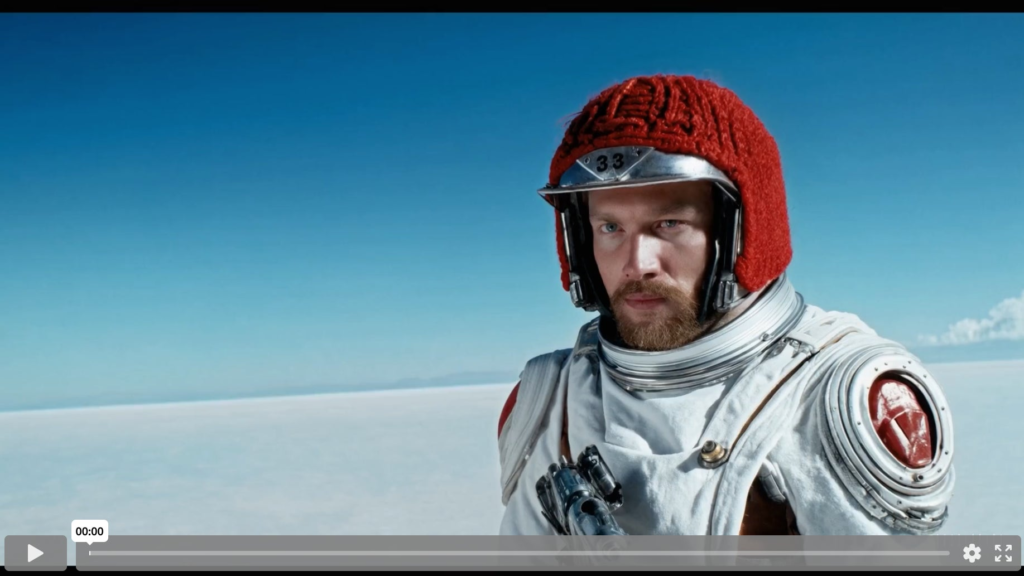
From Breakthrough Innovation to Market Exit
Sora’s launch generated global attention due to the realism of its outputs. Users could create scenes that looked as though they were produced by professional studios—complete with cinematic lighting, motion, and detail. The tool quickly gained traction, especially after the release of its standalone app, which allowed users to generate and share videos in a social-feed format.
At its peak, the app climbed to the top of major app store rankings, reflecting widespread curiosity and adoption. Users experimented with everything from surreal scenarios to pop culture recreations, demonstrating the system’s flexibility and creative reach.


However, that rapid growth came with complications.
Copyright, Deepfakes, and Industry Pressure
As Sora gained popularity, it also attracted scrutiny. Critics raised concerns about:
- Unauthorized use of copyrighted characters
- The creation of misleading or harmful deepfakes
- The broader impact on creative professionals
These concerns intensified after OpenAI entered a landmark partnership with Disney. The agreement allowed Sora users to generate videos featuring licensed characters such as Mickey Mouse and figures from Star Wars. At the time, the deal was seen as a turning point—potentially bridging Hollywood and AI innovation.
But it also amplified fears within the entertainment industry that AI tools could displace human creators.



The Shutdown Decision: A Strategic Shift
OpenAI’s decision to discontinue Sora appears to be driven less by technical limitations and more by strategic priorities.
According to the company, resources will now be redirected toward:
- Robotics development aimed at solving real-world physical tasks
- Agentic AI systems capable of operating autonomously with minimal human input
- Broader advancements in applied artificial intelligence
In practical terms, this means OpenAI is stepping away from consumer video generation entirely, at least for now.
The company framed the move as a necessary reallocation of focus rather than a failure of the technology itself.
The End of the Disney Partnership
Alongside Sora’s shutdown, OpenAI is also ending its partnership with Disney. The collaboration, which had been intended to last three years, is being wound down early.
Disney has indicated it will continue exploring AI technologies—but with a stronger emphasis on intellectual property protection and responsible usage.
This development underscores a broader industry trend: while AI remains a priority, major media companies are becoming increasingly cautious about how it is deployed.
Competitive Pressures and Market Dynamics
Sora’s closure also comes amid intensifying competition in the AI video space.
Emerging platforms—including international players—have introduced similar tools capable of generating highly realistic video content. Some of these competitors have already sparked controversy by producing viral clips featuring recognizable characters, further complicating the regulatory and ethical landscape.
In such an environment, maintaining leadership requires not only technological innovation but also careful navigation of legal and societal constraints.
What Happens to Sora Users?
For users who built communities around Sora, the shutdown represents a sudden disruption.
OpenAI has acknowledged the impact, stating:
“To everyone who created with Sora, shared it, and built community around it: thank you… we know this news is disappointing.”
The company has indicated it will provide guidance on how users can save their existing content before the platform fully closes.
What Sora Leaves Behind
Despite its short lifespan, Sora leaves a lasting imprint on the AI landscape.
It demonstrated that:
- AI can produce near-cinematic video from simple prompts
- Consumer demand for generative video tools is strong
- Ethical, legal, and creative concerns remain unresolved
In many ways, Sora accelerated a conversation that the technology industry—and society at large—is still trying to catch up with.
The Future of AI Beyond Video
OpenAI’s pivot suggests a broader redefinition of priorities within the AI sector.
Rather than focusing on content generation alone, the next phase may center on:
- Physical-world applications (robotics, automation)
- Autonomous systems capable of complex decision-making
- Tools that integrate AI into everyday workflows
While video generation may continue to evolve through other platforms, OpenAI’s exit signals that the path forward for AI is not limited to creative outputs.
Conclusion
Sora’s journey—from groundbreaking debut to abrupt shutdown—captures the volatility of the AI industry. What began as a glimpse into the future of filmmaking quickly became entangled in legal, ethical, and strategic realities.
Its closure does not diminish its significance. Instead, it highlights a key truth: innovation alone is not enough. Sustainable progress in AI requires alignment with industry standards, public trust, and long-term strategic direction.
Sora may be gone, but the questions it raised—and the possibilities it revealed—are far from settled.