




Southern Sphere Platinum Bursaries 2026: A Strategic Investment in Skills and Communities
Opening the Pipeline: Why This Bursary Matters Now
In South Africa’s evolving mining and engineering landscape, access to education remains one of the most decisive factors shaping future talent. The Southern Sphere Platinum Bursaries 2026 initiative emerges as a targeted intervention—designed not only to fund education but to align academic development with the country’s resource-driven economy.
- Opening the Pipeline: Why This Bursary Matters Now
- The Company Behind the Programme
- What the 2026 Bursary Offers
- Fields of Study: Targeting High-Demand Disciplines
- Who Can Apply: A Strict but Targeted Eligibility Framework
- Required Documentation: Ensuring Verification and Accountability
- How the Application Process Works
- Selection Process: Beyond Academic Results
- Broader Impact: Education as Economic Infrastructure
- What Comes Next for Applicants and the Programme
- Conclusion
With applications officially opening on 13 March 2026 and closing on 6 April 2026, the programme focuses specifically on students from the Sekhukhune District in Limpopo, a region closely tied to platinum mining activities.
This is not a generic bursary. It is a structured pipeline linking local communities to real economic opportunities in mining, engineering, environmental sciences, and technology.
The Company Behind the Programme
A Mining Project with a Community Mandate
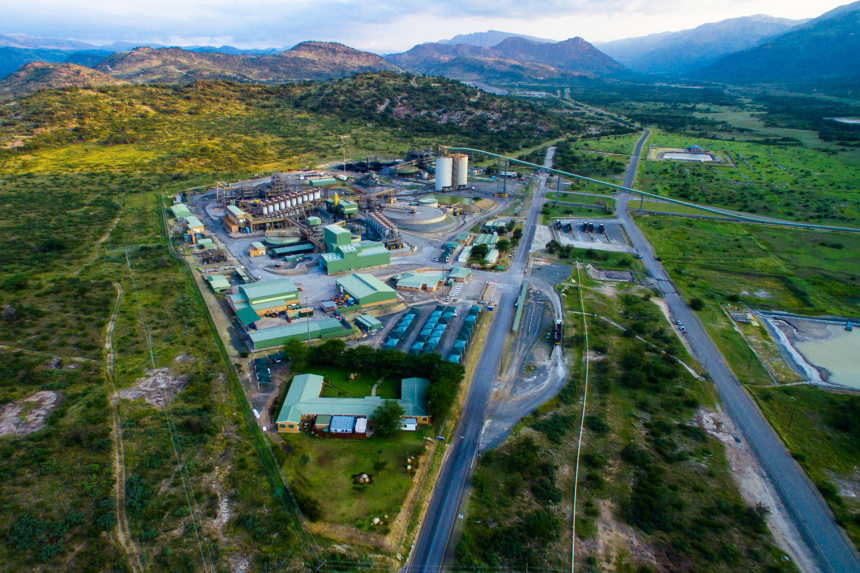
Southern Sphere Platinum is a prospecting and mine development company operating in the Steelpoort area, where it holds mineral rights for platinum group metals and chrome. The company is currently advancing an open-pit mining operation, positioning itself within one of South Africa’s most resource-rich corridors.

However, the bursary programme signals that its strategy extends beyond extraction. It reflects a broader commitment to:
-
Local skills development
-
Community upliftment
-
Long-term workforce sustainability
By investing in education, the company is effectively building a future workforce drawn directly from the communities surrounding its operations.


What the 2026 Bursary Offers
Financial Coverage Designed for Real Needs
The bursary provides funding of up to R200,000 per student, structured to reduce the primary barriers to university completion.
Covered expenses include:
-
Tuition fees
-
Accommodation (residence or approved housing)
-
Prescribed textbooks
-
Meal allowance
One limitation is explicit:
Outstanding fees from previous years are not covered, which places emphasis on applicants maintaining financial compliance with their institutions.
Fields of Study: Targeting High-Demand Disciplines
Aligning Education with Industry Demand
The programme prioritizes disciplines directly linked to mining, sustainability, and technological advancement. These include:



Environmental and Natural Sciences
-
Environmental Science
-
Environmental Management
-
Ecology
-
Conservation Biology
Engineering and Technical Fields
-
Mining Engineering
-
Metallurgical Engineering
-
Mechanical Engineering
-
Electrical Engineering
-
Chemical Engineering
-
Process Engineering
Earth Sciences and Legal Frameworks
-
Geology
-
Legal studies
Technology and Data
-
Information Technology
-
Computer Science
-
Data Science
This selection reflects a deliberate strategy: develop multidisciplinary expertise that supports both operational mining and broader environmental and regulatory systems.
Who Can Apply: A Strict but Targeted Eligibility Framework
Core Requirements
To qualify, applicants must meet all of the following:
-
Be a South African citizen
-
Originate from local communities in the Sekhukhune District
-
Be currently enrolled as a second-year student
-
Be studying within one of the listed fields
-
Have achieved a minimum average of 60% in first-year studies
-
Be enrolled at one of the following institutions:
-
University of Limpopo
-
North-West University
-
University of the Witwatersrand
-
University of Johannesburg
-
University of Pretoria
-
Additionally:
-
Applicants already receiving another bursary are not eligible
-
Preference may be given to candidates demonstrating financial need
This framework ensures that the programme supports both academic merit and socio-economic impact.
Required Documentation: Ensuring Verification and Accountability
Applicants must submit certified copies of:
-
South African ID document
-
Matric certificate
-
Full first-year academic record
-
Proof of university acceptance or registration
-
Proof of residence in the Sekhukhune District
Incomplete submissions may be excluded from consideration, reinforcing the programme’s administrative rigor.
How the Application Process Works
What the Process Achieves
The application process is designed to assess not only academic performance but also motivation, eligibility, and alignment with the programme’s objectives. It filters candidates who can realistically complete their studies and contribute to the local economy.
Application Method
-
There is no standard application form
-
Applications must be submitted via email
Submission email:
bursaries@southernsphere.co.za
What to Include
Applicants must send:
-
All required supporting documents
-
A cover note explaining why they should be considered
Deadline
-
Applications must be submitted by 17:00 on 6 April 2026
-
Late or incomplete applications may not be considered
Selection Process: Beyond Academic Results
Shortlisted candidates may undergo further evaluation, including:
-
Psychometric assessments
-
Interviews
These steps allow the company to evaluate:
-
Cognitive and behavioral suitability
-
Long-term potential within the mining and engineering sectors
Applicants who do not receive feedback within 21 days after the closing date should consider their applications unsuccessful.
Broader Impact: Education as Economic Infrastructure
Building Local Human Capital
The bursary programme is structured to address a persistent challenge in resource economies: the gap between local populations and skilled employment opportunities.
By targeting students from the Sekhukhune District, the initiative:
-
Reduces dependency on external skilled labor
-
Enhances community participation in mining operations
-
Strengthens regional economic resilience
Supporting South Africa’s Skills Agenda
The inclusion of disciplines such as data science, environmental management, and engineering reflects a forward-looking approach. It aligns with national priorities around:
-
Sustainable mining practices
-
Digital transformation
-
Environmental compliance
What Comes Next for Applicants and the Programme
With the application window already open, the next phase will involve:
-
Submission and screening of applications
-
Shortlisting and assessments
-
Final selection and bursary awards for the 2026 academic year
For Southern Sphere Platinum, the programme represents more than a corporate initiative—it is an operational investment in future expertise.
For students, it is a direct pathway into industries that remain central to South Africa’s economic structure.
Conclusion
The Southern Sphere Platinum Bursaries 2026 programme operates at the intersection of education, industry, and community development. It combines financial support with a clear strategic objective: to cultivate skilled professionals from within the very communities surrounding mining operations.
In a sector often defined by extraction, this initiative underscores a different kind of value creation—one rooted in knowledge, opportunity, and long-term capacity building.