






Trump News: A Sudden Shift in the Iran Crisis Reshapes Global Markets and Diplomacy
A Dramatic Pause in a Rapidly Escalating Conflict
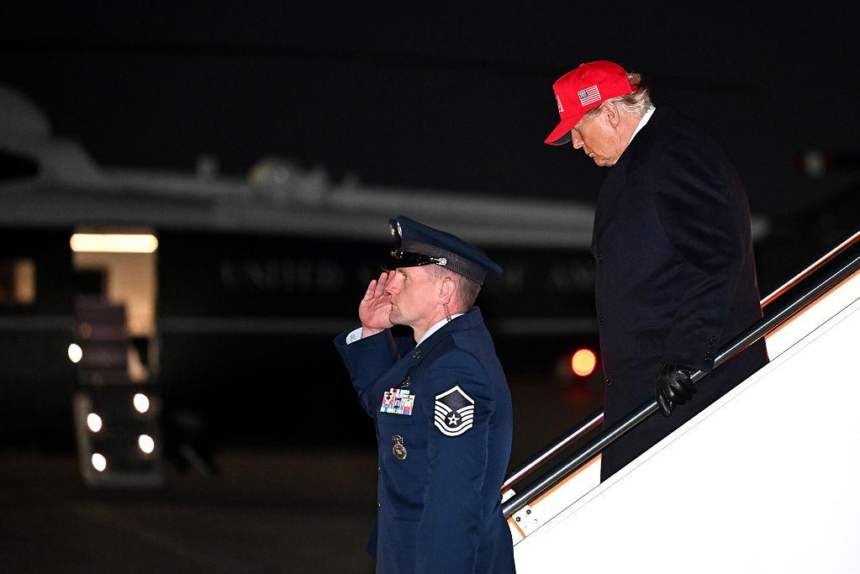
In a striking development that has reshaped the trajectory of the Middle East conflict, Donald Trump announced a five-day postponement of planned U.S. strikes on Iranian power plants, citing what he described as “productive conversations” with Tehran. The decision came just hours before a self-imposed 48-hour deadline that had threatened to “obliterate” Iran’s energy infrastructure if the Strait of Hormuz remained closed.
- A Dramatic Pause in a Rapidly Escalating Conflict
- Conflicting Narratives: Talks or Tactical Maneuver?
- Markets React Instantly: Oil Drops, Stocks Surge
- The Strait of Hormuz: The Strategic Flashpoint
- Military Pressure and Human Cost
- Trump’s Strategy: Diplomacy Backed by Force
- Global Diplomatic Reactions
- What Happens Next: A Fragile Window
- Conclusion: A Crisis Balanced Between War and Negotiation
The announcement immediately altered the global mood. Markets surged, oil prices dropped sharply, and diplomatic channels appeared—at least temporarily—to reopen. Yet the situation remains volatile. Iran’s foreign ministry has firmly denied that any negotiations took place, calling into question the foundation of Trump’s claims and leaving analysts to interpret whether this is a genuine diplomatic breakthrough or a tactical pause.
Conflicting Narratives: Talks or Tactical Maneuver?
At the center of the current uncertainty lies a fundamental contradiction. Trump insists that the United States and Iran are engaged in discussions aimed at a “complete and total resolution of hostilities in the Middle East.” He stated that Iran “want[s] very much to make a deal,” adding that U.S. representatives, including Steve Witkoff and Jared Kushner, have been involved in the process.
However, Tehran has categorically rejected this narrative. Iranian officials stated:


“We deny what US President Donald Trump said regarding negotiations taking place between the United States of America and the Islamic Republic of Iran.”
Further statements from Iranian-linked sources emphasized that “there has been no direct or indirect contact with Trump”, framing the U.S. move as an attempt to ease market pressure rather than signal genuine diplomacy.
This divergence has introduced a layer of strategic ambiguity. For policymakers and investors alike, the question is no longer just whether talks are happening—but whether either side is using the perception of talks as leverage.


Markets React Instantly: Oil Drops, Stocks Surge
The financial response to Trump’s announcement was immediate and significant, underscoring how sensitive global markets remain to developments in the region.
- Oil prices fell sharply, with Brent crude dropping from above $113 to around $100 per barrel
- U.S. stock indices (S&P 500, Dow Jones, Nasdaq) rose by more than 2%
- European markets, including London’s FTSE 100, rebounded into positive territory
- Bond yields, which had spiked amid fears of prolonged conflict, began to stabilize
Analysts described the market movement as a swing from “deep pessimism to giddy optimism.” However, caution remains widespread. As one strategist noted, relying on Trump’s statements carries risk, given the pattern of rapid shifts in messaging over recent weeks.
The Strait of Hormuz: The Strategic Flashpoint
At the heart of the crisis is the Strait of Hormuz, a narrow but critical waterway through which roughly 20% of the world’s oil and liquefied natural gas flows in normal conditions.
Since the outbreak of the conflict on February 28, the strait has effectively been disrupted:



- Tanker traffic has slowed dramatically
- Some vessels have turned off tracking systems to avoid detection
- Others have navigated closer to Iran’s coastline under uncertain security arrangements
Recent tracking data shows only a handful of ships crossing the strait, often in coordinated routes. This disruption has triggered a global energy shock, with the International Energy Agency warning that the current crisis is worse than the oil shocks of the 1970s.
Iran has also escalated its rhetoric, threatening to mine the entire Persian Gulf if attacked and warning that any strike on its energy infrastructure would be met with reciprocal attacks across the region.
Military Pressure and Human Cost
While diplomatic signals have emerged, the conflict on the ground remains intense. Israeli forces continue to conduct strikes in Tehran, while Iranian missile attacks have injured more than 180 people in Israel over the weekend.
The broader toll is severe:
- Over 2,000 people killed across the Middle East
- More than 1,200 deaths in Iran, according to Iranian Red Crescent figures
- Significant casualties in Lebanon and Israel
- U.S. military personnel losses, including 13 service members
Civilian infrastructure has become increasingly vulnerable. Analysts warn that targeting power plants could lead to cascading humanitarian consequences, including disruptions to hospitals, water systems, and essential services.
Trump’s Strategy: Diplomacy Backed by Force
Trump’s messaging reflects a dual-track approach—offering negotiations while maintaining the threat of escalation.
He stated:
“We’re doing a five day period, and we’ll see how that goes. If it goes well, we’re going to end up with settling this… Otherwise, we’ll just keep bombing our little hearts out.”
He has also suggested that a deal could include:
- Iran abandoning nuclear weapons ambitions
- Potential restructuring of Iran’s political leadership
- Reopening of the Strait of Hormuz under possible joint control
At one point, Trump remarked that the waterway could be “jointly controlled” by the U.S. and Iran’s leadership, indicating a willingness to pursue unconventional arrangements.
However, such proposals face significant geopolitical resistance, both from Iran and from regional stakeholders.
Global Diplomatic Reactions
International responses have been cautious but supportive of de-escalation efforts.
- UK Prime Minister Keir Starmer emphasized the need for a negotiated solution and the reopening of the Strait of Hormuz
- Germany’s Chancellor Friedrich Merz welcomed the postponement of strikes as an opportunity for dialogue
- China warned against targeting civilian infrastructure, stating that energy-related facilities “must not be attacked”
At the same time, tensions remain high. Iran has reinforced ties with Russia, while regional allies and adversaries continue to prepare for further escalation.
What Happens Next: A Fragile Window
The five-day pause represents a narrow and uncertain window. Analysts warn that the situation could shift rapidly:
- A single military miscalculation could reignite escalation
- Conflicting narratives on negotiations may undermine trust
- Structural issues—nuclear policy, regional influence, sanctions—remain unresolved
There is also the question of whether the current de-escalation is substantive or merely tactical. Some critics argue that the postponement is aimed at stabilizing financial markets rather than advancing diplomacy.
Conclusion: A Crisis Balanced Between War and Negotiation
The latest developments in Trump news highlight the fluid and unpredictable nature of the current geopolitical landscape. A potential pathway to peace has emerged, but it is fragile, contested, and deeply uncertain.
Markets may have responded with optimism, but the underlying risks remain significant. The Strait of Hormuz continues to serve as both an economic lifeline and a geopolitical pressure point, while the human and strategic costs of the conflict continue to mount.
For now, the world watches a high-stakes balancing act—where diplomacy and military pressure coexist, and where the next move could determine whether the crisis de-escalates or spirals further.