






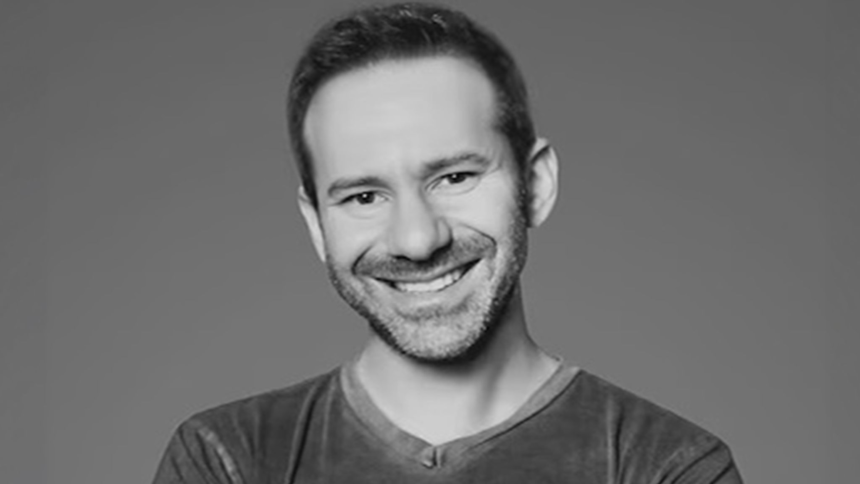
Leonid Radvinsky: The Architect of a Digital Empire and the Debate It Left Behind
A Defining Figure in the Creator Economy
The death of Leonid Radvinsky at the age of 43 marks a significant moment in the evolution of the modern internet economy. As the owner of OnlyFans, Radvinsky stood at the center of a global shift in how digital content is monetized—particularly in industries that had long operated on the margins of mainstream technology.
- A Defining Figure in the Creator Economy
- From Quiet Entrepreneur to Billionaire Power Broker
- The OnlyFans Transformation
- A Controversial but Disruptive Model
- Financial Power and Strategic Ambitions
- Philanthropy and Personal Dimensions
- Public Reaction: Divided and Unfiltered
- The Future of OnlyFans After Radvinsky
- Conclusion: A Complex Legacy
His passing, confirmed by the company in a statement noting that he “passed away peacefully after a long battle with cancer,” closes a chapter in one of the most controversial yet commercially successful digital ventures of the past decade.
From Quiet Entrepreneur to Billionaire Power Broker
Born in Ukraine and raised in Chicago, Radvinsky followed a trajectory that blended technical curiosity with entrepreneurial ambition. A graduate of Northwestern University with a degree in economics, he built early ventures in the adult internet space before transitioning into more structured digital platforms.
Despite controlling a multi-billion-dollar enterprise, Radvinsky maintained a notably low public profile. He avoided interviews, rarely appeared in public, and operated largely behind the scenes—even as his financial influence expanded.


His acquisition of OnlyFans in 2018 proved to be the defining move of his career.
The OnlyFans Transformation
Founded in 2016 by British entrepreneurs, OnlyFans began as a subscription-based content platform. Under Radvinsky’s ownership, it evolved into a dominant force in the creator economy.


At its core, the platform introduced a simple but powerful model:
- Creators publish exclusive content
- Fans subscribe, tip, or pay for custom material
- The platform takes a 20% commission
This structure proved highly scalable. By 2024, the platform reported:
- More than 377 million subscribers
- Approximately 4.6 million creators
- Over £7bn in transactions annually
- $1.4bn in revenue
Across its lifespan, OnlyFans paid out more than $25bn to creators, fundamentally reshaping income streams for digital workers.
The platform’s explosive growth was particularly evident during the COVID-19 pandemic, when lockdowns drove millions online in search of income and connection. At one point in 2021, the service reportedly added nearly 300,000 new users per day.


A Controversial but Disruptive Model
While OnlyFans enabled unprecedented financial autonomy for creators, it also attracted sustained criticism.
The platform became synonymous with adult content, even though it hosted a broader range of material including fitness, cooking, and music. Its association with pornography led to regulatory scrutiny and political pressure.
Key issues included:
- Concerns over underage access to explicit material
- Allegations of insufficient moderation of illegal content
- Legal disputes involving users who believed they were interacting directly with creators
In 2024, UK regulators investigated whether minors were accessing adult content. Although the probe was eventually dropped, the company was fined approximately £1 million for failing to provide accurate information about its age-verification systems.
The tension between growth and regulation reached a peak in August 2021, when OnlyFans announced it would ban sexually explicit content. Within days, the company reversed the decision after intense backlash from creators and users—highlighting the platform’s deep reliance on its adult content ecosystem.
Financial Power and Strategic Ambitions
Radvinsky’s financial success was substantial. By the time of his death, his net worth was estimated at $4.7 billion, placing him among the world’s billionaires.
OnlyFans itself became one of the most profitable private tech companies in the UK:
- A record $701 million dividend payout in one year
- Billions in annual transaction volume
- Consistent profitability driven by subscription and tipping models
Beyond OnlyFans, Radvinsky invested through his venture capital firm, Leo.com, focusing on technology startups. He had also explored strategic options for the platform, including:
- A potential multibillion-dollar sale
- Discussions around taking the company public
These moves suggested a long-term vision that extended beyond the platform’s controversial origins.
Philanthropy and Personal Dimensions
Although private, Radvinsky’s philanthropic efforts were notable. He supported medical research, including donations to Memorial Sloan Kettering Cancer Center, and contributed to humanitarian causes such as Ukraine relief.
In 2024, he and his wife were involved in funding a $23 million cancer research program, reflecting a personal connection to the disease that would later claim his life.
Public Reaction: Divided and Unfiltered
News of Radvinsky’s death triggered a wide spectrum of reactions online.
Some viewed him as a pioneer who empowered creators and disrupted traditional media economics. Others criticized his role in expanding the adult content industry.
Comments ranged from reflective to sharply critical:
- “The guy who turned loneliness into billions just got reminded that money doesn’t buy immortality. Brutal irony.”
- “He was young. Rest easy.”
This polarization underscores the broader societal debate around platforms like OnlyFans—balancing economic empowerment against ethical concerns.
The Future of OnlyFans After Radvinsky
Radvinsky’s death raises immediate questions about leadership, ownership, and strategic direction.
At the time of his passing:
- The company was exploring a sale valued at over $5 billion
- Ownership structures had already shifted into a trust
- The platform remained highly profitable but under regulatory pressure
The next phase for OnlyFans will likely depend on how new leadership navigates three critical challenges:
- Regulation – Increasing scrutiny from governments worldwide
- Brand repositioning – Efforts to diversify beyond adult content
- Sustainability – Maintaining creator trust while expanding revenue streams
Conclusion: A Complex Legacy
Leonid Radvinsky leaves behind a legacy that is both transformative and contested.
He did not invent the creator economy, but he accelerated it—turning a niche subscription model into a global phenomenon. In doing so, he reshaped how millions of people earn money online and how audiences engage with content.
At the same time, his work sits at the center of unresolved debates about technology, ethics, and regulation.
His story is less about a single platform and more about a broader shift: the rise of direct-to-consumer digital economies where creators, not institutions, hold the primary relationship with audiences.
That transformation is unlikely to reverse—regardless of who leads OnlyFans next.