






Iran Attacks: A Global Energy Crisis Unfolds
An Analytical Feature on Escalation, Impact, and What Comes Next
A Conflict That Has Moved Beyond Borders
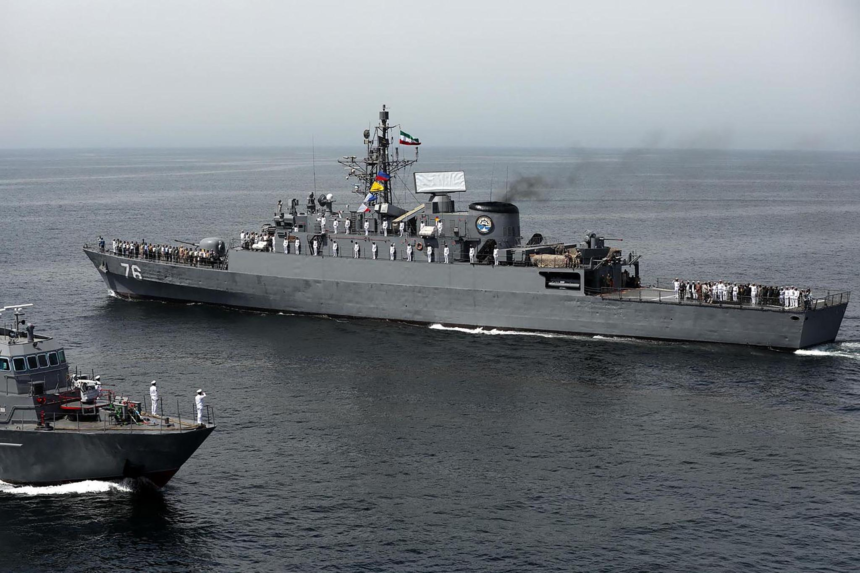
The latest wave of Iranian attacks marks a decisive shift in the Middle East conflict—transforming what began as targeted military strikes into a multi-front crisis with global economic consequences. What distinguishes this phase is not only the scale of the violence but its deliberate focus on energy infrastructure, maritime routes, and regional supply chains.
- A Conflict That Has Moved Beyond Borders
- From Gasfield Strike to Regional Retaliation
- The Strait of Hormuz: A Choke Point Under Threat
- Economic Shockwaves: Energy Markets in Turmoil
- Military Expansion: Targets Multiply Across the Region
- Human Cost and Regional Fallout
- Political Fractures and Diplomatic Breakdown
- Environmental and Global Implications
- What Comes Next: Scenarios and Risks
- Conclusion: A Conflict Redefining Global Stability
The immediate trigger was an Israeli strike on Iran’s South Pars gasfield, the world’s largest natural gas reserve. The attack ignited fires and triggered a chain reaction across the Gulf, with Iran responding through coordinated strikes on key energy installations in Qatar, Saudi Arabia, the UAE, and Kuwait. The result is a rapidly escalating confrontation with implications far beyond the region.
From Gasfield Strike to Regional Retaliation
The South Pars Turning Point
The Israeli strike on South Pars marked a strategic escalation. While Israel has not publicly acknowledged responsibility, multiple officials indicated that the operation was coordinated with the United States, despite public claims by President Donald Trump that Washington “knew nothing about this particular attack.”
This contradiction reflects a broader complexity in the alliance dynamics. According to US Defence Secretary Pete Hegseth, American objectives are clear:

-
Destroy Iran’s missile and launch capabilities
-
Cripple its defence industrial base
-
Neutralize naval power
-
Prevent nuclear weapon development
At the same time, intelligence chief Tulsi Gabbard acknowledged that US and Israeli objectives are not identical, with Israel more focused on dismantling Iran’s leadership structure.
Iran’s Immediate Response
Iran’s retaliation was swift and geographically expansive. Key developments include:
Related News

-
Missile and drone attacks on Qatar’s Ras Laffan LNG facilities
-
Strikes on oil installations in Saudi Arabia and the UAE
-
Targeting of shipping routes in the Strait of Hormuz
-
Attacks affecting Kuwaiti energy infrastructure
The scale of the damage is substantial. QatarEnergy CEO Saad al-Kaabi confirmed that 17% of the country’s LNG production capacity has been wiped out, with repairs expected to take three to five years. The affected infrastructure alone cost approximately $26 billion to build.
The Strait of Hormuz: A Choke Point Under Threat
At the center of the crisis lies the Strait of Hormuz, one of the world’s most critical energy corridors. Iranian actions have effectively disrupted transit through the strait, with consequences already visible:
-
Commercial vessels attacked or immobilized
-
Shipping lanes obstructed by mines and military threats
-
At least 22 Indian ships with over 600 crew stranded in the Gulf
In response, a coalition including the UK, France, Germany, Italy, the Netherlands, and Japan has declared readiness to ensure safe passage. Their joint statement condemned:
“attacks by Iran on unarmed commercial vessels… and the de facto closure of the strait of Hormuz.”
The situation now resembles a maritime security crisis layered on top of a regional war.
Economic Shockwaves: Energy Markets in Turmoil
Oil and Gas Prices Surge
Energy markets have reacted sharply. European gas prices have surged by 35%, while global oil markets are experiencing heightened volatility. The European Central Bank warned that the conflict:
“has made the outlook significantly more uncertain”
and will have “a material impact on near-term inflation through higher energy prices.”
Supply Chain Breakdown
The consequences are not confined to financial markets. Real-world disruptions are already unfolding:
-
India, which relies on Qatar for about half of its LNG imports, is facing acute shortages
-
Reports indicate households are struggling to cook, while restaurants and hotels are scaling back operations
-
Airlines, including Cathay Pacific, have suspended regional routes
-
Governments are considering releasing strategic petroleum reserves to stabilize supply
The emerging pattern is consistent: energy disruption is translating into immediate economic and social stress.
Military Expansion: Targets Multiply Across the Region
Beyond energy infrastructure, military operations are intensifying. Israeli forces have expanded their campaign, striking:
-
Iranian naval vessels in the Caspian Sea
-
Missile ships and patrol boats
-
A naval command center and maintenance infrastructure
According to US officials, more than 7,000 targets have been hit across Iran, with claims that:
-
Ballistic missile production capability is down 90%
-
Drone capacity has been reduced by a similar margin
However, US military leadership acknowledges that Iran still retains “some capability” to strike American assets, underscoring the ongoing risk.
Human Cost and Regional Fallout
The escalation is also exacting a severe human toll. In Lebanon, where conflict between Israel and Hezbollah has intensified, the health ministry reports:
-
1,001 people killed
-
Including 79 women, 118 children, and 40 health workers
-
2,584 wounded
Meanwhile, journalists and civilians are increasingly caught in the crossfire. A recent airstrike in southern Lebanon injured a reporting team filming near a military site, highlighting the dangers faced by non-combatants.
Political Fractures and Diplomatic Breakdown
A Failed Path to Negotiation
Diplomatic efforts appear to have collapsed just before the escalation. Oman’s foreign minister revealed that negotiations between the US and Iran had reached a “substantive” stage in February, raising the possibility of avoiding war.
Instead, the conflict erupted shortly afterward, with the minister describing it as a “catastrophe” and asserting that the US had:
“lost control of its own foreign policy.”
Diverging Narratives
Conflicting narratives continue to complicate the situation:
-
The US claims limited prior knowledge of key strikes
-
Israeli officials suggest coordination
-
Iran frames its actions as defensive retaliation
This divergence reflects a broader lack of alignment among major actors, increasing the risk of further escalation.
Environmental and Global Implications
The targeting of oil and gas infrastructure is not only an economic issue—it is also an environmental one. Climate organizations have warned that burning fuel depots:
-
Pollute air, land, and water
-
Create long-term health hazards
-
May meet the criteria for “ecocide”
At the same time, the conflict reinforces the fragility of a global energy system heavily dependent on concentrated geographic sources.
What Comes Next: Scenarios and Risks
Several possible trajectories are emerging:
1. Prolonged Energy Disruption
If attacks continue, sustained shortages and price volatility could trigger a broader inflationary wave globally.
2. Expanded Military Engagement
With multiple actors already involved, the conflict risks widening further, potentially drawing in additional regional or international forces.
3. Maritime Security Intervention
Coalition efforts to secure the Strait of Hormuz could escalate into direct confrontations with Iranian forces.
4. Renewed Diplomatic Push
Despite current tensions, economic pressure and humanitarian concerns may eventually force a return to negotiations.
Conclusion: A Conflict Redefining Global Stability
The current phase of Iranian attacks represents more than a regional escalation—it is a systemic shock affecting energy, trade, diplomacy, and security simultaneously. The deliberate targeting of infrastructure has amplified the stakes, transforming localized conflict into a global concern.
With supply chains disrupted, alliances tested, and military operations intensifying, the situation remains volatile. The next phase will likely depend on whether diplomatic channels can be reopened—or whether the cycle of escalation continues.