






Pearl Harbor: History, Memory, and Its Echo in Modern Politics
Introduction: Why Pearl Harbor Still Matters Today
Few historical events continue to resonate as powerfully in global politics and public memory as the attack on Pearl Harbor. On December 7, 1941, a surprise military strike by Imperial Japan against the United States naval base in Hawaii reshaped the course of World War II and marked a decisive turning point in modern history.
- Introduction: Why Pearl Harbor Still Matters Today
- The Historical Event: What Happened at Pearl Harbor?
- Strategic Context: Why Japan Attacked
- Timeline of Events: From Surprise to Global War
- Cultural and National Impact
- Pearl Harbor in Modern Politics: The 2026 Controversy
- Diplomatic Sensitivity: Why the Reference Matters
- Broader Implications: Lessons from Pearl Harbor
- Conclusion: A Past That Continues to Shape the Present
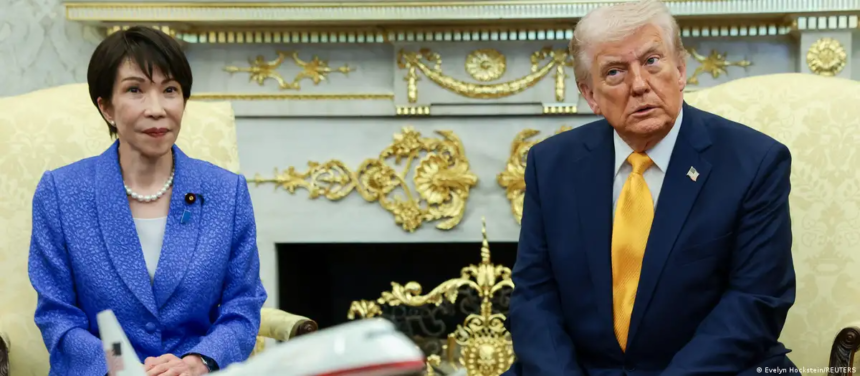
Decades later, Pearl Harbor remains more than a historical reference—it is a symbol of surprise warfare, national trauma, and geopolitical consequence. Its enduring relevance was underscored again in 2026, when U.S. President Donald Trump invoked the attack during a meeting with Japan’s Prime Minister Sanae Takaichi, triggering criticism and renewed reflection on the event’s legacy.
This article examines Pearl Harbor not only as a historical milestone but as a living reference point in diplomacy, memory, and global politics.
The Historical Event: What Happened at Pearl Harbor?
On the morning of December 7, 1941, Japanese forces launched a coordinated aerial assault on the U.S. Pacific Fleet stationed at Pearl Harbor. The attack was meticulously planned to cripple American naval power and prevent interference with Japan’s expansion across Southeast Asia.

Key Facts and Figures
-
Date: December 7, 1941
-
Location: Pearl Harbor, Hawaii
-
Attack Duration: Approximately 90 minutes
-
Casualties: Over 2,400 Americans killed
-
Ships Damaged or Destroyed: 19 U.S. naval vessels
-
Aircraft Lost: More than 180 U.S. planes
Among the most devastating losses was the sinking of the USS Arizona, now memorialized at the site as a symbol of sacrifice and remembrance.
The following day, then-President Franklin D. Roosevelt addressed Congress, calling it “a date which will live in infamy.” The United States formally entered World War II, transforming the conflict into a truly global war.
Related News

Strategic Context: Why Japan Attacked
The attack on Pearl Harbor did not occur in isolation. It was the culmination of escalating tensions between Japan and the United States.
Core Drivers Behind the Attack
-
Economic Pressure: U.S. sanctions and embargoes, particularly on oil, threatened Japan’s industrial and military capacity.
-
Expansionist Goals: Japan sought to secure resources in Southeast Asia and eliminate obstacles to its regional dominance.
-
Preemptive Strategy: Neutralizing the U.S. Pacific Fleet was seen as essential to prevent American interference.
While tactically successful in the short term, the attack ultimately galvanized American public opinion and triggered a prolonged conflict that Japan would eventually lose.
Timeline of Events: From Surprise to Global War
Understanding Pearl Harbor requires tracing the sequence of events that followed the attack and shaped global history.
What This Timeline Shows
This sequence highlights how a single military operation triggered cascading political and military consequences, rapidly escalating a regional conflict into a worldwide war.
Key Milestones
-
December 7, 1941: Japanese forces attack Pearl Harbor
-
December 8, 1941: U.S. declares war on Japan
-
December 11, 1941: Germany and Italy declare war on the U.S.
-
1942–1945: Pacific War intensifies across Asia and the Pacific
-
August 1945: Japan surrenders following atomic bombings
Cultural and National Impact
Pearl Harbor occupies a central place in American identity. It is both a symbol of vulnerability and a catalyst for unity.
In the United States
-
The attack led to mass mobilization and industrial expansion
-
It reshaped military strategy and global engagement
-
It remains a key reference point in national security discussions
In Japan
-
Pearl Harbor is viewed within the broader context of wartime decisions and consequences
-
It carries complex historical and moral implications
-
It continues to influence Japan’s pacifist policies and constitutional limitations on military action
The event also contributed to long-term reconciliation efforts between the U.S. and Japan, transforming former adversaries into close allies.
Pearl Harbor in Modern Politics: The 2026 Controversy
The legacy of Pearl Harbor resurfaced prominently in March 2026 during a high-level meeting between Donald Trump and Sanae Takaichi in Washington.
While discussing military strategy and surprise operations related to U.S. strikes on Iran, Trump remarked:
“We wanted surprise… Who knows better about surprise than Japan, OK? Why didn’t you tell me about Pearl Harbor, OK? Right?”
The comment drew mixed reactions:
-
Criticism from Japanese scholars and commentators, who viewed the remark as insensitive
-
Concerns about diplomatic implications, particularly given the historical weight of the reference
-
Public discomfort, as the comment revived painful wartime memories
Observers noted that Takaichi did not respond publicly, maintaining a composed but visibly restrained posture during the exchange.
Diplomatic Sensitivity: Why the Reference Matters
Invoking Pearl Harbor in modern discourse is not a neutral act. It carries significant symbolic weight, especially in U.S.-Japan relations.
Key Considerations
-
Historical Trauma: For Americans, Pearl Harbor represents a moment of national tragedy
-
Shared Memory: For Japan, it is tied to a broader narrative of wartime actions and consequences
-
Alliance Dynamics: The U.S. and Japan now maintain a strong strategic partnership
The 2026 incident illustrates how historical references can influence contemporary diplomacy, particularly when tied to ongoing conflicts such as tensions in the Middle East.
Broader Implications: Lessons from Pearl Harbor
Pearl Harbor continues to inform discussions on:
Military Strategy
-
The importance of intelligence and preparedness
-
The risks and consequences of surprise attacks
International Relations
-
The role of alliances and diplomacy in preventing conflict
-
The long-term impact of wartime decisions on bilateral relationships
Public Memory
-
How historical events are interpreted across generations
-
The balance between remembrance and reconciliation
Conclusion: A Past That Continues to Shape the Present
Pearl Harbor is not confined to history books. It remains a powerful reference point that shapes political rhetoric, diplomatic interactions, and global awareness of conflict.
The 2026 controversy involving Donald Trump and Sanae Takaichi demonstrates that even decades later, the memory of December 7, 1941, retains its emotional and strategic significance.
As global tensions evolve and historical parallels are drawn, Pearl Harbor stands as a reminder of the consequences of surprise warfare—and the enduring importance of understanding history in shaping the future.