






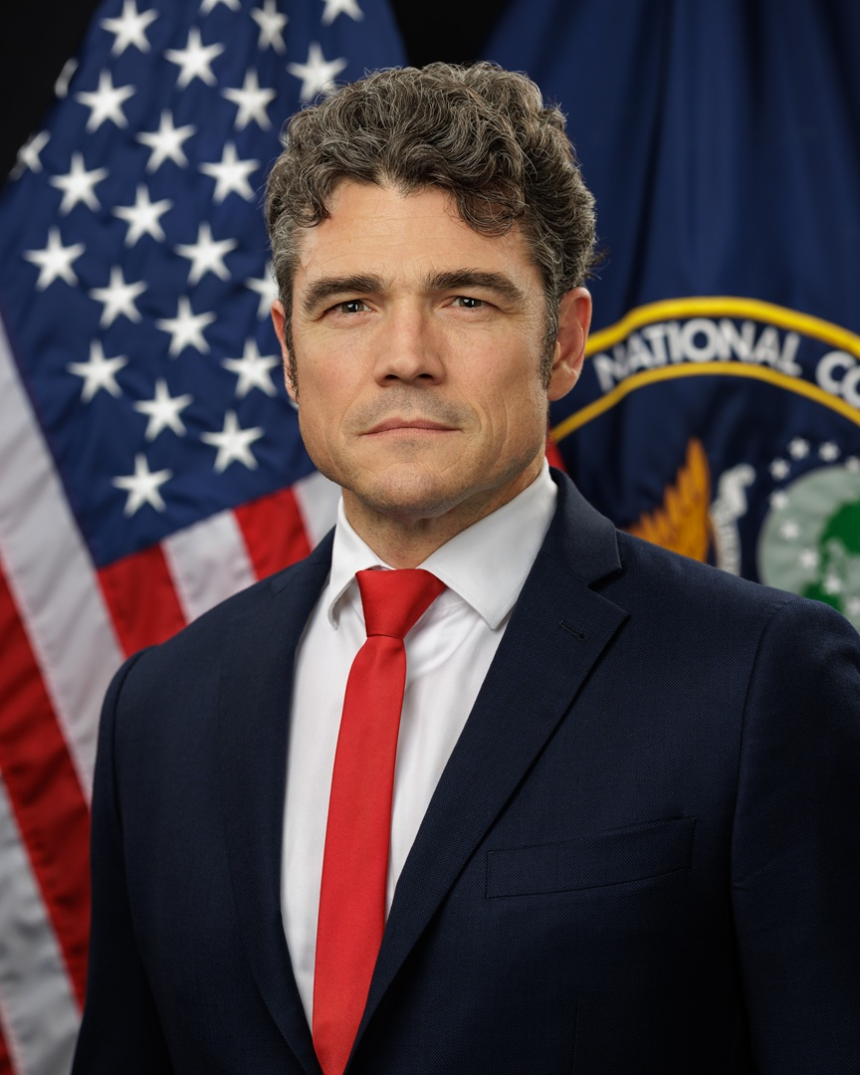
Joe Kent and the Iran War: A Resignation That Shook Washington
A Sudden Exit with Global Implications
The resignation of Joe Kent from his role as director of the National Counterterrorism Center marks one of the most consequential internal breaks within the administration of Donald Trump.
- A Sudden Exit with Global Implications
- From Green Beret to Counterterrorism Chief
- The Breaking Point: Opposition to the Iran War
- Allegations of Misinformation and Policy Manipulation
- Political Fallout: Calls for Testimony
- A First in the Administration
- Strategic and Global Implications
- Historical Echoes: Lessons from Iraq
- What Comes Next?
- Conclusion: A Resignation That Redefines the Debate
Kent’s departure was not routine. It was a calculated, public protest against the United States’ involvement in a war with Iran—a move that has intensified political divisions in Washington and raised questions about intelligence assessments, foreign influence, and the direction of U.S. national security policy.
His resignation letter, coupled with public statements, has triggered calls for congressional scrutiny and opened a wider debate about how the war began and whether it was justified.
From Green Beret to Counterterrorism Chief
Joe Kent’s profile is not that of a conventional bureaucrat. A former Green Beret who completed multiple combat tours, Kent built his career within the U.S. national security apparatus through direct operational experience.

His appointment as director of the National Counterterrorism Center placed him at the center of America’s intelligence coordination on global threats, a role that carries significant influence over how risks are assessed and communicated to policymakers.
This background makes his resignation particularly notable. It is rare for someone with both battlefield experience and high-level intelligence oversight to publicly challenge the premise of an active war.
The Breaking Point: Opposition to the Iran War
Kent’s resignation hinges on a clear and unambiguous claim:
“I cannot in good conscience support the ongoing war in Iran.”
At the core of his argument is a direct rejection of the war’s justification. He stated:
“Iran posed no imminent threat to our nation.”
This assertion directly contradicts the rationale typically used to initiate military action—namely, the existence of an immediate national security threat.
Kent further escalated his criticism by attributing the origins of the conflict not to U.S. strategic necessity, but to external pressure:
“It is clear that we started this war due to pressure from Israel and its powerful American lobby.”
Such language is unusually direct for a senior official and signals deep internal disagreement over both intelligence interpretation and policy decision-making.
Allegations of Misinformation and Policy Manipulation
Beyond opposing the war itself, Kent’s resignation letter outlines a broader accusation: that the administration’s decision-making process was compromised.
He wrote that:
“High-ranking Israeli officials and influential members of the American media deployed a misinformation campaign that wholly undermined your America First platform and sowed pro-war sentiments.”
According to Kent, this “echo chamber” created a false perception of urgency, convincing leadership that Iran posed an imminent danger and that military action would lead to a swift victory.
He added:
“This was a lie and is the same tactic the Israelis used to draw us into the disastrous Iraq war.”
By invoking the legacy of the Iraq war, Kent framed the Iran conflict as part of a recurring pattern—one where flawed intelligence or external pressure leads to long-term strategic consequences.
Political Fallout: Calls for Testimony
Kent’s resignation has not remained an internal matter. It has quickly become a political flashpoint.
Ro Khanna, a senior Democrat, has called for Kent to testify before Congress. The objective is clear: to determine whether his claims about misinformation and external influence hold merit.
This demand reflects broader concerns within Washington about transparency, intelligence integrity, and executive decision-making during wartime.
At the same time, Kent’s alignment with Trump politically—described as a supporter and a far-right figure—adds complexity. His criticism cannot easily be dismissed as partisan opposition, which increases its potential impact.
A First in the Administration
Kent is reportedly the first senior official within the Trump administration to resign explicitly in protest of the war with Iran.
That distinction matters. High-level resignations often signal internal fractures, but public resignations tied to moral or strategic objections are far less common—and far more influential.
His statement underscores this personal dimension:
“I cannot support sending the next generation off to fight and die in a war that serves no benefit to the American people nor justifies the cost of American lives.”
This framing shifts the debate from abstract geopolitics to tangible human cost, reinforcing the ethical dimension of his decision.
Strategic and Global Implications
Kent’s resignation introduces several critical implications:
1. Intelligence Credibility Under Scrutiny
If his claims are validated, it could undermine confidence in how threat assessments are produced and communicated within the U.S. government.
2. U.S.–Israel Relations in Focus
By explicitly referencing Israeli influence, Kent has brought a sensitive diplomatic relationship into public debate, potentially complicating bilateral ties.
3. Congressional Oversight Intensifies
Calls for testimony suggest that lawmakers may pursue deeper investigations into the origins and justification of the war.
4. Public Opinion and War Fatigue
References to past conflicts like Iraq resonate strongly with a public already wary of prolonged military engagements in the Middle East.
Historical Echoes: Lessons from Iraq
Kent’s comparison to the Iraq war is not incidental. The Iraq conflict remains a defining example of how intelligence assessments can shape—and potentially mislead—policy decisions.
By drawing this parallel, Kent is effectively warning that the U.S. may be repeating a familiar trajectory:
-
Perceived imminent threat
-
Rapid mobilization
-
Promises of quick victory
-
Long-term entanglement
This historical framing adds weight to his resignation and positions it as both a protest and a caution.
What Comes Next?
The immediate future will likely revolve around three key developments:
Congressional Inquiry
If Kent testifies, his statements could become part of a formal record, influencing both public discourse and policy decisions.
Policy Reassessment
Internal debates within the administration may intensify, particularly if other officials share similar concerns.
International Reactions
Allies and adversaries alike will closely monitor how the U.S. responds to internal dissent at such a high level.
Conclusion: A Resignation That Redefines the Debate
Joe Kent’s resignation is more than a personnel change—it is a defining moment in the ongoing debate over the U.S. role in the Iran war.
By publicly challenging the justification for the conflict, questioning the integrity of the decision-making process, and invoking historical precedent, Kent has shifted the conversation from strategy to accountability.
Whether his claims lead to policy changes or remain part of a broader political dispute, one outcome is already clear: his resignation has forced a reassessment of how wars are justified, communicated, and ultimately fought.